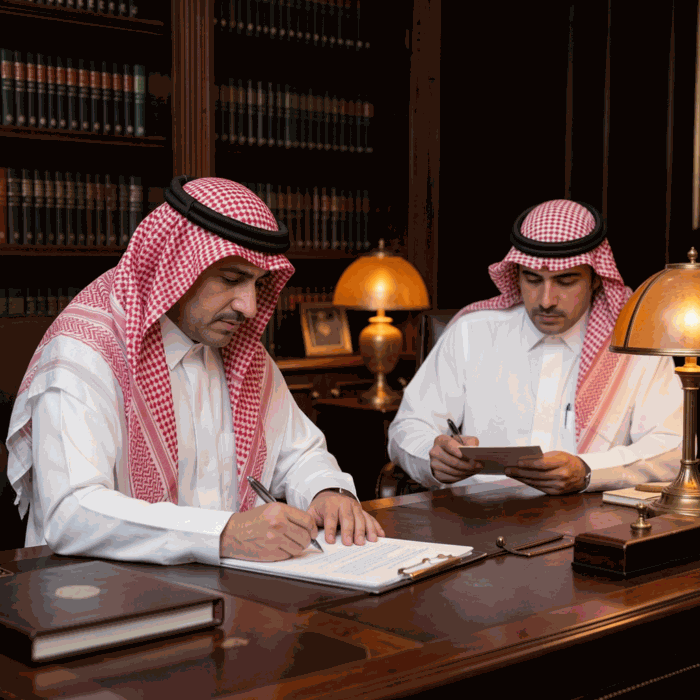
Conducting the General Assembly Meeting

Conducting the General Assembly Meeting Chairing, Managing Discussion, and Running a Disciplined Session
First: Introduction
Even when the notice has been issued correctly, the agenda has been prepared with care, the quorum has been achieved, and the voting platform is functioning flawlessly, the General Assembly can still fail. The reason for that failure is almost always the same: poor conduct of the meeting itself. The Assembly is not a document or a system — it is a live human event, and the quality of its conduct shapes everything from the validity of its resolutions to the trust shareholders place in the company afterwards. Conducting a General Assembly well requires three things simultaneously: rigorous adherence to procedure, the social and rhetorical skill to manage hundreds (sometimes thousands) of people with diverse interests, and the operational discipline to keep the meeting moving at the right pace. This article examines the role of the Chairperson, the structure of the session, the management of discussion, the handling of unexpected events, and the practices that distinguish a well-run Assembly from a chaotic one.
Second: The Role of the Chairperson
The Chairperson of the General Assembly is most often the Chairperson of the Board of Directors, but the bylaws may designate another person, and in the Chairperson’s absence the deputy Chairperson — or any other person elected at the start of the meeting — assumes the role. Whoever holds it, the Chairperson is the senior officer of the Assembly, with both ceremonial duties and substantive legal authority.
1. Powers of the Chairperson
- Opening and adjourning: Formally opens the meeting once quorum is verified and announces adjournment after all items are resolved.
- Setting the order of business: Within the boundaries of the published agenda, decides the order in which items are presented.
- Regulating discussion: Recognizes speakers, sets time limits, and may rule speech out of order if it is irrelevant or inflammatory.
- Maintaining order: May suspend the meeting briefly to restore order, and in extreme cases may eject disruptive attendees.
- Ruling on procedural questions: Initial ruling on points of order, subject to the broader legal framework.
- Declaring results: Officially announces the result of each vote and the passage or rejection of each resolution.
2. Duties of the Chairperson
- Impartiality: Must treat all shareholders equally and refrain from advocacy beyond the recommendations the Board has already published.
- Procedural fairness: Must ensure that every shareholder has a reasonable opportunity to be heard within the meeting’s time constraints.
- Accurate information: Must not state facts about the company that are inaccurate or that have not been disclosed; new material information cannot be revealed for the first time at the Assembly.
- Respect for the law: Must follow the Companies Law, the CMA Regulations, and the bylaws; cannot override them even with apparent shareholder consent.
- Documentation: Must ensure that the proceedings are minuted with sufficient accuracy to defend the validity of every resolution.
3. The Chairperson’s Support Team
The Chairperson does not conduct the Assembly alone. A small support team is essential:
- Corporate Secretary: Manages procedural compliance, drafts the minutes, and coordinates the voting flow.
- Legal Counsel: Available throughout to advise on points of law, especially on quorum, voting, and contested motions.
- CEO and CFO: Present to answer substantive questions about company performance and strategy.
- External Auditor: Present to answer questions on the financial statements.
- Investor Relations: Manages the floor microphones, shareholder queue, and Q&A flow.
- Technical Operations: Manages voting platforms, audio-visual systems, and live-streaming.
Third: Structure of the Assembly Session
1. The Opening Phase
- Registration close: Registration desks formally close at the announced time; latecomers may join but not earlier-voting items.
- Welcome and introduction: Chairperson welcomes attendees, introduces head-table participants (board members, CEO, auditor).
- Quorum declaration: Corporate Secretary reports the attendance and the percentage of capital represented; Chairperson declares the quorum achieved.
- Procedural announcements: Voting mechanism, time limits for speakers, location of microphones, language of the meeting.
- Confirmation of the agenda: Chairperson reads the agenda; minor procedural amendments by general consent may be allowed.
2. The Substantive Phase
- Item presentation: Each agenda item is presented by the relevant officer (CEO for the annual report, CFO for the financials, Chairperson for governance items).
- Q&A: Shareholders are invited to ask questions; the Chairperson directs each question to the appropriate respondent.
- Discussion close: Chairperson signals the end of discussion before opening the voting window.
- Voting: Each item is voted on separately.
- Result announcement: The Chairperson announces the result of each vote immediately.
- Movement to the next item: The Assembly proceeds to the next agenda item.
3. The Closing Phase
- Any other business: If the bylaws permit, shareholders may raise matters not on the agenda for discussion (but typically not for resolution).
- Final remarks: Chairperson thanks attendees, reminds them of the disclosure timeline, and announces any follow-up actions.
- Formal adjournment: Chairperson declares the Assembly adjourned and the time is recorded in the minutes.
Fourth: A Sample Time Plan
| Phase | Duration | Activity | |
|---|---|---|---|
| Registration | 60 min before | Identity verification, voting device distribution | |
| Opening | 10 min | Welcome, quorum, agenda confirmation | |
| Annual report | 20 min | CEO presentation | |
| Q&A on annual report | 30 min | Open discussion | |
| Vote on annual report | 5 min | Voting window + result | |
| Financial statements | 15 min | CFO + Auditor | |
| Q&A on financials | 20 min | Open discussion | |
| Vote on financials | 5 min | Voting + result | |
| Discharge of directors | 10 min | Discussion + vote | |
| Board elections (if applicable) | 20 min | Candidates + cumulative voting | |
| Other resolutions | 30 min | Each item separately | |
| Any other business | 15 min | Open floor | |
| Closing | 5 min | Final remarks and adjournment | |
| Total | ~3.5 hours | Mid-size listed company | |
| 📌 Note Time plans are guidance, not constraints. A particularly contentious item — for example, the approval of related-party transactions involving the controlling shareholder — may require an hour of Q&A on its own. The Chairperson should be ready to adjust the pace dynamically, while ensuring no item is rushed in a way that would compromise informed voting. | |||
Fifth: Managing Discussion and Q&A
1. Establishing the Rules at the Start
Discussion management starts with clear ground rules announced at the very opening of the meeting. Common rules:
- Time per intervention: Typically 2–3 minutes per shareholder per item.
- Maximum interventions: One intervention per shareholder per item, with a second only if time allows.
- Microphone discipline: Shareholders speak only when recognized and through the floor microphone.
- Identification: Each speaker identifies themselves and their shareholding (or the principal they represent) before speaking.
- Relevance: Questions must relate to the agenda item currently under discussion.
- Respect: Personal attacks, repetitive questions, and grandstanding will be ruled out of order.
2. Recognizing Speakers
The Chairperson recognizes speakers in a fair order. Best practice is to maintain a visible queue (in-person or electronic), to alternate between sides of the room or different shareholder profiles when appropriate, and to call on at least some shareholders before the institutional and major holders dominate the floor.
3. Answering Questions
- Direct relevant questions: Answer directly with the specific information requested.
- Vague or rhetorical questions: Reframe charitably and answer the most reasonable interpretation.
- Questions beyond disclosure: If the question seeks material non-public information, decline and explain why (regulation, competitive sensitivity).
- Out-of-scope questions: Note that the question is outside the agenda item and offer a follow-up via investor relations.
- Multiple-part questions: Address each part separately, in order.
4. Handling Difficult Situations
4.1 Repetitive Speakers
A shareholder asking the same question repeatedly should be politely reminded that the question has been answered, and the floor should be moved on. Persistent repetition may justify a ruling that the shareholder has exhausted their right to speak on that item.
4.2 Hostile or Aggressive Questions
The Chairperson should respond with composed civility, never matching the aggression. If the question contains accusations, they should be acknowledged and answered factually. Defensive or evasive answers do far more damage to the company than a calm acknowledgment that a difficult issue exists and is being addressed.
4.3 Protest Tactics
Some shareholders may use the Assembly as a protest platform. The Chairperson must distinguish between legitimate (if uncomfortable) dissent — which must be tolerated — and disorderly conduct that prevents the meeting from proceeding. In the latter case, a brief suspension followed by a firm restatement of the rules is usually effective.
4.4 Walkout Threats
Threats by minority shareholders to walk out should not change the procedure. The quorum is verified once at the start and is presumed to continue, but if a walkout would clearly bring the meeting below quorum, the Chairperson should consult counsel before proceeding to any further votes.
Sixth: Common Difficulties and How to Handle Them
1. Procedural Challenges
- Point of order: A shareholder raises a procedural objection. The Chairperson rules immediately, with brief reasoning.
- Procedural amendment: A shareholder proposes a change to the order of business. The Chairperson rules whether it is in order; if so, a vote may be taken.
- Question of validity: A shareholder challenges the validity of the meeting itself (e.g., notice defect). The Chairperson notes the objection in the minutes and proceeds, leaving the ultimate determination to the courts if necessary.
2. Substantive Challenges
- Motion to amend a resolution: Generally, material amendments to a published resolution are not permitted because the notice already set the text; minor clarifying amendments may be accepted.
- Motion to defer an item: Permitted if shareholders vote in favor; the deferred item must be addressed at a subsequent Assembly with proper notice.
- Motion of no confidence in the board: Must follow the procedural requirements of the Companies Law; cannot be raised as a surprise.
3. Operational Challenges
- Technical failure: A clear protocol for switching to backup voting must be in place before the meeting.
- Power outage: Backup power and emergency lighting must be tested in advance.
- Medical emergency: First aid personnel and a defined evacuation plan are required.
- Disruption: A defined protocol for engaging security personnel without escalation.
Seventh: Documenting the Meeting
Documentation is concurrent with conduct, not subsequent to it. The Corporate Secretary must capture the proceedings as they unfold so that the minutes can be finalized within the statutory deadline. Best practice involves a multi-layered documentation system:
- Audio recording: Full audio of the entire session, time-stamped.
- Video recording: For listed companies, full video recording is strongly recommended for archival and disclosure purposes.
- Live shorthand notes: By the Corporate Secretary or an assistant, capturing questions, answers, motions, and rulings.
- Voting system logs: Automated logs from the voting platform, item by item.
- Attendance records: Names, capacities (principal/proxy), and shareholdings.
- Signed presence sheets: Where physical attendance is involved.
Eighth: Special Considerations
1. Multilingual Assemblies
Saudi listed companies attract significant foreign institutional ownership. Best practice is to provide simultaneous Arabic-English interpretation, to publish all key documents in both languages, and to allow questions in either language. The official language of the minutes remains Arabic, but a certified English translation may be issued.
2. Live-Streamed Assemblies
Live streaming on the company’s investor relations website, on Tadawul, or through dedicated platforms has become near-universal. Considerations include broadcast quality, captioning, accessibility for hearing-impaired viewers, and the maintenance of an indexed archive so that specific portions can be reviewed afterwards.
3. Hybrid Assemblies
In a hybrid format, some shareholders attend in person while others join remotely. The Chairperson must ensure equal opportunity to speak and vote, including by alternating between in-room and remote questions. Remote participation requires reliable identity verification and a parallel voting capability.
4. Closed-Session Items
Some items may justify closed-session treatment — for example, certain litigation matters or sensitive personnel decisions. These should be exceptional and clearly justified; default practice is full transparency.
Ninth: After the Meeting
1. Immediate Post-Meeting Actions
- Initial disclosure: Issue the preliminary results to Tadawul within the regulatory window.
- Internal debrief: Brief the support team on what went well and what needs improvement.
- Action register: List the commitments made during the meeting (information promised to shareholders, follow-ups, etc.) with owners and deadlines.
2. Within 24–48 Hours
- Draft minutes: Begin drafting from the recordings and notes.
- Shareholder follow-up: Send written answers to any questions that could not be fully answered at the meeting.
- Media communications: Issue any planned press releases on the outcomes.
3. Within the Statutory Period
- Final minutes: Approved by the Chairperson and Corporate Secretary.
- Statutory filings: Submit to the Ministry of Commerce and CMA as required.
- Implementation: Begin executing the resolutions adopted.
Tenth: Best Practices
1. Pre-Meeting Preparation
- Full rehearsal: Walk through the entire session with the support team, including a stress-test of difficult questions.
- Briefing book: Comprehensive briefing book for the Chairperson and CEO covering likely questions and recommended answers.
- Investor mapping: Identify likely attendees, their concerns, and their voting tendencies.
- Media monitoring: Track media and analyst commentary in the days leading up to the meeting.
2. During-Meeting Excellence
- Calm, respectful tone: The Chairperson sets the emotional temperature of the entire room.
- Substantive answers: Real engagement with shareholder concerns, not deflection.
- Procedural rigor: Strict adherence to procedure, especially under pressure.
- Time discipline: Respect for shareholders’ time without rushing essential discussion.
3. Post-Meeting Continuous Improvement
- Structured debrief: Capture lessons from every Assembly for the next one.
- Shareholder feedback: Survey attendees on the quality of the meeting.
- Benchmarking: Compare practices with peer companies and international leaders.
- Investment in capability: Train the Chairperson, Corporate Secretary, and support team continuously.
Conclusion
Conducting a General Assembly well is an exercise in disciplined hospitality. The company is host; the shareholders are guests with rights. A well-conducted meeting respects the shareholders’ time, takes their questions seriously, follows procedure strictly, and reaches valid resolutions that are properly documented. A poorly conducted meeting — rushed, defensive, procedurally sloppy — undermines all of the work that went into preparing it and damages the company’s reputation in ways that are difficult to repair. The Chairperson is the most visible face of the company on Assembly day, and the support team is the invisible structure that allows the Chairperson to perform that role. Building this capability is a multi-year investment, not a single-event effort. Companies that take it seriously find that the General Assembly becomes a genuine pillar of their governance — not a procedural obligation to be endured, but a strategic opportunity to demonstrate competence, character, and respect for ownership.
References and Sources
- Saudi Companies Law (M/132).
- Corporate Governance Regulations — CMA.
- Implementing Regulations of the Companies Law for Listed Joint-Stock Companies.
- Robert’s Rules of Order — for parliamentary procedure reference.
- ICSA Guide to Chairing General Meetings.
- OECD Principles of Corporate Governance — Engagement with Shareholders.
- ICGN Global Stewardship Principles.
- Practical Guide to Annual General Meetings — Chartered Governance Institute.
FAQ
What are the chairperson's powers and duties when conducting a Saudi general assembly?
The chairperson holds both ceremonial authority and substantive legal power throughout the assembly. On the powers side, the chairperson formally opens the meeting once quorum is verified and adjourns it after all items are resolved, sets the order of business within the published agenda, recognizes and regulates speakers by setting time limits and ruling irrelevant or inflammatory speech out of order, maintains order including the authority to suspend the meeting briefly or in extreme cases eject disruptive attendees, rules on procedural questions as they arise, and officially declares the result of every vote. On the duties side, the chairperson must treat all shareholders with equal procedural fairness regardless of shareholding size, refrain from advocacy beyond the recommendations already published with the notice, ensure that no material information is revealed for the first time at the assembly, follow the Companies Law and CMA regulations without deviation even with apparent shareholder consent, and ensure the minutes are recorded with sufficient accuracy to defend the validity of every resolution. The chairperson is supported throughout by the corporate secretary, legal counsel, CEO, CFO, external auditor, investor relations, and the technical operations team.
How should a Saudi general assembly session be structured and how should discussion be managed?
The session divides into three phases. The opening phase covers closing registration at the announced time, welcoming attendees and introducing the head-table participants, the corporate secretary's quorum report and the chairperson's formal quorum declaration, procedural announcements covering voting mechanism and speaker time limits, and confirmation of the agenda. The substantive phase works through each agenda item individually: presentation by the relevant officer, open Q&A with shareholders, formal close of discussion before the voting window opens, voting, immediate result announcement, and movement to the next item. The closing phase covers any other business if the bylaws permit it, the chairperson's final remarks and disclosure timeline reminder, and the formal adjournment with the time recorded in the minutes. Discussion management begins with clear ground rules announced at the opening, typically including a two-to-three minute limit per intervention, one intervention per shareholder per item, microphone discipline requiring recognition before speaking, identification of the speaker and their shareholding, and a relevance requirement tying questions to the item under discussion.
How should a chairperson handle difficult situations during a Saudi general assembly?
Four recurring challenges require specific responses. Repetitive speakers should be politely reminded the question has been answered; persistent repetition justifies a ruling that the shareholder has exhausted their speaking right on that item. Hostile or aggressive questions must be met with composed civility — the chairperson should never match the aggression, should acknowledge accusations and answer them factually, and should recognize that a calm admission that a difficult issue exists and is being managed does far less damage than a defensive or evasive response. Procedural challenges including points of order and questions of validity must be ruled on immediately with brief reasoning and noted in the minutes, with ultimate legal determination left to the courts if necessary. Technical failures require a pre-tested protocol for switching to backup voting, backup power, and emergency lighting, with a clear operational chain of command to prevent the disruption from derailing the meeting. In every case, the chairperson's response to disruption is itself a governance moment — calm, fair, and transparent handling is remembered far longer than the disruption and contributes materially to shareholder trust in the company.