Investor Days, Roadshows, and Conferences

Investor Days, Roadshows, and Conferences Planning Major Events, Execution, and Maximizing Their Value
First: Introduction
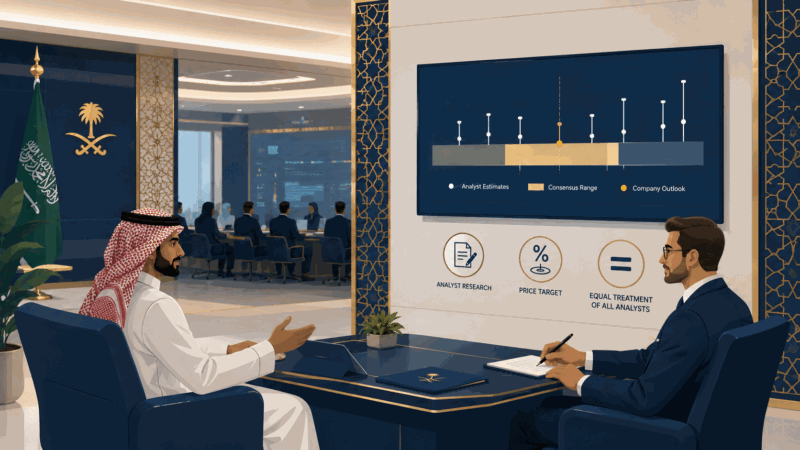
Face-to-face meetings — at Investor Day, roadshows, and conferences — are the most important opportunities to build deep relationships with investors. Unlike calls and written disclosures, direct meetings allow dialogue, deep questions, and mutual evaluation. Smart companies don’t wait for investors to come to them — they go to investors or host them at studied events. These events are major investments in time and money, but the return on them can be very large. A single Investor Day may set the company’s reputation for years, a successful roadshow may add major institutional investors, and a distinguished conference may attract analyst coverage that lasts a long time. This article reviews all types of these events: planning, execution, and benefit.
Second: Investor Day
1. What Is an Investor Day?
1.1 Investor Day Meaning
- Major annual event.
- Full day (or half-day).
- Gathering investors and analysts.
- For comprehensive company presentation.
1.2 Why
- In-depth communication.
- Relationship building.
- Strategy conveying.
- Getting feedback.
1.3 Frequency
- Annually (most common).
- Every two years.
- On important events (transformation, issuance).
2. Planning
2.1 Timeline
- 3-6 months before event.
- Intensive planning.
- By dedicated team.
2.2 Strategic Topics
- Choosing focus.
- Strategy.
- Segments.
- Innovation.
- ESG.
2.3 Budget
- For logistics.
- For materials.
- For hospitality.
- For travel (if offered).
- Large usually (hundreds of thousands to millions).
2.4 Team
- IR in leadership.
- With PR.
- Logistics.
- Senior management.
3. Venue and Timing
3.1 Venue
- Company HQ (most comprehensive).
- Upscale hotel (easiest).
- Strategic city (Dubai, London, NY).
- With live streaming capability.
3.2 Timing
- Not during blackout periods.
- Not during peer announcements.
- On business days (Tue-Thu).
- Timing suitable for markets.
4. Invitees
4.1 First Priority
- Major institutional investors.
- Key analysts.
- Existing base.
4.2 Second Priority
- Target investors.
- New analysts.
- New opportunities.
4.3 Others
- Specialized financial journalists.
- Regulators.
- Strategic partners.
4.4 Invitations
- Personal.
- Weeks before.
- With confirmations.
- RSVP.
5. Agenda
5.1 Opening (30-45 minutes)
- CEO.
- Comprehensive overview.
- Strategy.
- Vision.
5.2 Finance (30-45 minutes)
- CFO.
- Historical performance.
- Forecasts.
- Financial targets.
5.3 Segments (60-90 minutes)
- Segment heads.
- Detailed performance.
- Opportunities.
- Challenges.
5.4 Special Topics (60-90 minutes)
- ESG.
- Technology.
- Innovation.
- Transformations.
5.5 Q&A (60 minutes)
- After each section.
- Or at the end.
- Dialogue.
5.6 Visits and Networking (60-120 minutes)
- Facility tour (if suitable).
- Working lunch.
- Individual meetings.
- Building relationships.
6. Preparation and Execution
6.1 Materials
- Comprehensive presentation (200+ slides sometimes).
- Investor booklet.
- Financial models.
- Detailed appendices.
6.2 Intensive Training
- All speakers.
- Rehearsal sessions.
- Q&A practice.
- Performance tuning.
6.3 Logistics
- The venue.
- Audio and visual.
- Live streaming.
- Simultaneous interpretation.
- Hospitality.
6.4 Disclosure
- Prior announcement.
- Of materials.
- To market.
- With rules compliance.
7. Post-Event
7.1 Immediate Disclosure
- Publishing materials via IFSAH.
- On website.
- For public.
7.2 Follow-Up
- Thanks to participants.
- Surveys.
- Individual meetings.
- Responses to questions.
7.3 Analysis
- Market reactions.
- Analyst reports.
- Investor feedback.
- Lessons.
Third: Roadshows
1. What Is an Investor (or Corporate) Roadshow?
1.1 Roadshow Meaning in Business
- Meeting tour across multiple cities.
- With institutional investors.
- Lasting days to a week.
- Usually after earnings or in issuance.
1.2 Types of Roadshow: Deal, Non-Deal (NDR), and Earnings
- Earnings roadshow: after an earnings announcement.
- Non-deal roadshow (NDR): no securities offering attached — management meets institutional investors to maintain and broaden relationships rather than to market an issuance. The most common type.
- Deal roadshow: supports an active issuance.
- Targeted roadshow: aimed at a specific investor category.
A “corporate roadshow” is the same exercise described from the company’s side, and is used interchangeably with investor roadshow.
2. Planning
2.1 Goals
- Maintaining existing base.
- Attracting new investors.
- Conveying messages.
- Getting feedback.
2.2 Cities
- Based on investor base.
- NY, Boston, London essential.
- Expand to Asia as needed.
2.3 Schedule
- 4-6 meetings daily.
- One-on-one meeting: 30-60 minutes.
- Working lunch.
- Group meetings.
3. Partners
3.1 Banks
- Investment banks organize.
- Goldman Sachs, Morgan Stanley, JPMorgan.
- Saudi banks: HSBC, SNB Capital.
- They have the networks.
3.2 Services
- Identifying investors.
- Scheduling meetings.
- Logistics.
- Follow-up.
4. Speakers
4.1 Ideal Team
- CEO.
- CFO.
- IRO.
- Possibly segment heads.
4.2 Roles
- CEO: strategy and vision.
- CFO: numbers and finance.
- IRO: coordination and follow-up.
5. Materials
5.1 Core Presentation
- Same as earnings or Investor Day.
- With audience adjustments.
- In 30-45 minutes.
5.2 Additional Materials
- Copies for investors.
- Management bios.
- Legal disclaimers.
6. Meetings
6.1 One-on-One Meetings
- Most important.
- 30-60 minutes.
- Depth.
- Dialogue.
6.2 Group Meetings
- 3-5 investors.
- 60-90 minutes.
- Effective.
6.3 Industry Meetings
- With sector analysts.
- With deep understanding.
- Technical discussion.
7. Standard Meeting
7.1 Opening (5 minutes)
- Introductions.
- Company brief.
7.2 Presentation (15-20 minutes)
- Key points.
- Recent numbers.
- Strategy.
7.3 Questions (20-30 minutes)
- Investor questions.
- Responses.
- Dialogue.
7.4 Closing (5 minutes)
- Summary.
- Next steps.
- Thanks.
8. Common Questions
8.1 Strategy
- “How do you differentiate?”
- “What’s the biggest risk?”
- “How will you achieve growth?”
8.2 Financial
- “Sustainable margins?”
- “Working capital?”
- “Dividends?”
8.3 ESG
- “Emissions?”
- “Green transition?”
- “Governance?”
8.4 Operational
- “M&A?”
- “New markets?”
- “Innovation?”
Fourth: Investor Events and Investment Conferences
1. Types
1.1 Broker Conferences
- Organized by investment banks.
- With sector focus.
- Goldman Sachs Tech, JPMorgan Healthcare.
1.2 Market Conferences
- Organized by exchanges.
- Tadawul Conferences.
- Annual or periodic.
- Focused on local market.
1.3 Sector Conferences
- Focused on a sector.
- ICR, ADNEC.
- Specialized.
1.4 Regional Conferences
- EFG-Hermes in Dubai.
- HSBC in London.
- Citi in NY.
2. Choosing Conferences
2.1 Criteria
- Alignment with target audience.
- Organizer quality.
- Sector focus.
- Location.
- Cost.
2.2 Strategy
- 3-5 conferences annually for mid-caps.
- 8-15 for large caps.
- Balance.
3. Activities at Conference
3.1 Main Presentation
- 30-45 minutes on stage.
- For everyone.
- With attractive materials.
3.2 One-on-One Meetings
- Largest part of value.
- Successive meetings.
- Intensive schedule.
3.3 Fireside Chats
- Dialogue with analyst.
- Informal.
- Dynamic.
3.4 Networking
- Lunch.
- Evening receptions.
- Relationships.
4. Preparation
4.1 Before Conference
- Knowing audience.
- Meeting prep.
- Materials.
- Team.
4.2 During Conference
- Sticking to schedule.
- Readiness.
- Attention.
- Communication.
4.3 After Conference
- Immediate follow-up.
- Thanks.
- Delayed answers.
- Documentation.
Fifth: Virtual Events
1. The Rise
1.1 After COVID-19
- Rapid shift.
- Wide acceptance.
- Partial continuation after return.
1.2 Advantages
- Time efficiency.
- Lower cost.
- Flexibility.
- Wider access.
1.3 Disadvantages
- Relationship distance.
- Without real meetings.
- Distractions.
2. Platforms
2.1 General
- Zoom.
- MS Teams.
- Cisco Webex.
2.2 Specialized
- Q4.
- Streetbeam.
- Cisco Events.
- With IR features.
3. Best Practices
3.1 Technical Setup
- Prior testing.
- Professional equipment.
- Reliable connection.
- Backup.
3.2 Presentation
- Shorter than in-person.
- More visual.
- Interactive.
3.3 Questions
- Live Q&A.
- Chat questions.
- Polls.
- Engagement.
4. Hybrid Model
4.1 In-Person Event With Broadcast
- Best of both worlds.
- For select attendance.
- For wide broadcast.
4.2 Challenges
- Logistics.
- Cost.
- Coordination.
Sixth: Handling Difficult Questions
1. Types of Difficult Questions
1.1 Strategic
- “Why don’t you do X?”
- “What’s Plan B?”
- “How will you respond to competitor?”
1.2 Performance
- “Why did performance lag?”
- “When will margins recover?”
1.3 Management
- “Why the changes?”
- “Is management capable?”
1.4 Compliance
- Questions about internal numbers.
- Questions about deals under negotiation.
- Cannot answer.
2. Response Principles
2.1 Calm
- Without agitation.
- With patience.
- With confidence.
2.2 Honesty
- Acknowledging challenges.
- Without embellishment.
- With credibility.
2.3 Frame
- Placing question in context.
- Answering through full narrative.
2.4 “No Comment” Acceptable
- When necessary.
- On internal information.
- Direct to subsequent disclosure.
3. Preparation
3.1 Anticipated Questions
- Comprehensive list.
- For difficult questions.
- With prepared responses.
3.2 Training Sessions
- Q&A practice.
- With hostile questions.
- With review.
3.3 Support Team
- IR nearby.
- Finance.
- Legal.
- For support.
Seventh: Measuring Event ROI
1. Investor Day Indicators
1.1 Attendance
- Number of participants.
- Their diversity.
- Their quality.
1.2 Engagement
- Question quality.
- Individual meetings.
- Feedback.
1.3 Impact
- Analyst reports.
- Market reactions.
- Coverage.
- New investors.
2. Roadshow Indicators
2.1 Quantity
- Number of meetings.
- Number of investors.
- Geography.
2.2 Quality
- Investor quality.
- Investment intentions.
- Feedback.
2.3 Results
- New investors.
- Increased ownership.
- Improved coverage.
3. Conference Indicators
3.1 Efficiency
- Meetings / time.
- Cost / investor.
- ROI.
3.2 Impact
- Media coverage.
- Research coverage.
- New investors.
Eighth: Common Challenges
1. “Low Participation” Challenge
1.1 Problem
- In Investor Day.
- In roadshow.
- Reason: lack of interest, timing, strategy.
1.2 Solutions
- Stronger story.
- Better timing.
- Intensive prior communication.
- Strong partners.
2. “No Follow-Up” Challenge
2.1 Problem
- Meetings without results.
- No follow-up.
- Lost opportunities.
2.2 Solutions
- Follow-up system.
- CRM.
- Seriousness.
- Reminders.
3. “Cost” Challenge
3.1 Problem
- Events very costly.
- Limited budget.
3.2 Solutions
- Priorities.
- Virtual events.
- Focus on highest-return.
- Partners.
4. “Team” Challenge
4.1 Problem
- Event requires large team.
- With crowded schedule.
- Exhaustion.
4.2 Solutions
- Early planning.
- Outsourcing.
- Distribution.
- Team investment.
Ninth: Events in Saudi Arabia
1. Main Conferences
1.1 Tadawul Conferences
- In Riyadh, Dubai, London.
- Major platform.
- With international attendance.
1.2 Saudi Capital Markets Forum
- Annual.
- With top investors.
- Large platform.
1.3 Future Investment Initiative (FII)
- “Davos in the Desert.”
- Top global leaders.
- Exceptional platform.
1.4 LEAP
- For technology.
- Tech companies.
- Growth.
2. Regional Events
- EFG-Hermes in Dubai.
- Saudi Capital Markets in Riyadh.
- MEED Capital Markets.
3. International Events
- Saudi Investment Forums.
- In London, NY, Tokyo.
- To attract foreign investment.
Tenth: Best Practices
1. At Planning Level
- Early planning: months before.
- Clear goals: for every event.
- Sufficient budget: without scrimping.
- Specialized team: with talent.
2. At Content Level
- High quality: in materials.
- Differentiation: not generic.
- Consistency: with other messages.
- Updates: for information.
3. At Execution Level
- Intensive training: for speakers.
- Professional logistics: without mistakes.
- Attention to detail: all details.
- Readiness: for emergencies.
4. At Follow-Up Level
- Immediate: within 48 hours.
- Personal: for every meeting.
- Measurement: of impact.
- Improvement: for next.
Conclusion
Investor Days, roadshows, and conferences are the most important opportunities to build deep relationships with investors. Through these events, the relationship moves from ‘information’ to ‘trust,’ from ‘numbers’ to ‘vision.’ Smart companies invest strongly in these events and measure their return precisely. Results translate into valuation premiums, strong investor base, and distinguished analyst coverage. In the Saudi capital market, opportunities are available unprecedentedly. Tadawul Conferences, FII, and other platforms gather top global investors. Leading Saudi companies leverage these opportunities professionally. With market growth and Vision 2030, the need for distinguished IR events will increase. Investment in organizing world-class events is not luxury but a necessity for companies aspiring to leadership.
Contact Us
References and Sources
- NIRI — Investor Day Best Practices.
- IR Society UK — Roadshow Guidelines.
- Goldman Sachs, Morgan Stanley — Roadshow Services.
- Q4 — Investor Conferences Guide.
- Tadawul Conferences — Annual Reports.
- Saudi Capital Markets Forum — Insights.
- FII Institute — Reports.
- MENA IR Association — Regional Events.
- CFA Institute — Investor Engagement.
- Annual Reports of Leading Saudi Companies (Aramco, SABIC) — Investor Day Materials.
FAQ
Why are face-to-face meetings considered qualitatively superior to other communication methods?
Direct meetings allow for dialogue and mutual evaluation. They move the investor from "understanding numbers" to "understanding people." Seeing management in person builds a level of trust and conviction that slide decks simply cannot replicate.
What is an investor day?
An investor day is a major event — usually annual, running a half or full day — where a listed company gathers institutional investors and analysts for a comprehensive presentation of its strategy, business segments and outlook. It is hosted by the company, which is what distinguishes it from a roadshow, where management travels to the investors instead.
What is a non-deal roadshow (NDR)?
A non-deal roadshow, or NDR, is a roadshow held with no securities offering attached. Management meets institutional investors purely to maintain and broaden relationships rather than to market an issuance, which makes it the most common roadshow type. A deal roadshow, by contrast, supports an active offering.
What is the primary difference between an "Investor Day" and a "Roadshow"?
An Investor Day is a major, centralized annual event hosted by the company to provide a comprehensive look at the strategy and business segments. A Roadshow is a mobile tour across multiple cities where management meets investors in 30–60 minute "one-on-one" sessions to deepen existing relationships and target new ones.
How do you handle difficult questions from analysts or investors during these events?
Maintain composure, be honest, and frame the answer within your broader strategic narrative. If the question involves non-public or sensitive information, it is perfectly acceptable to professionally decline comment and direct the investor to future official disclosures.