
Board Committees under the Corporate Governance Regulations
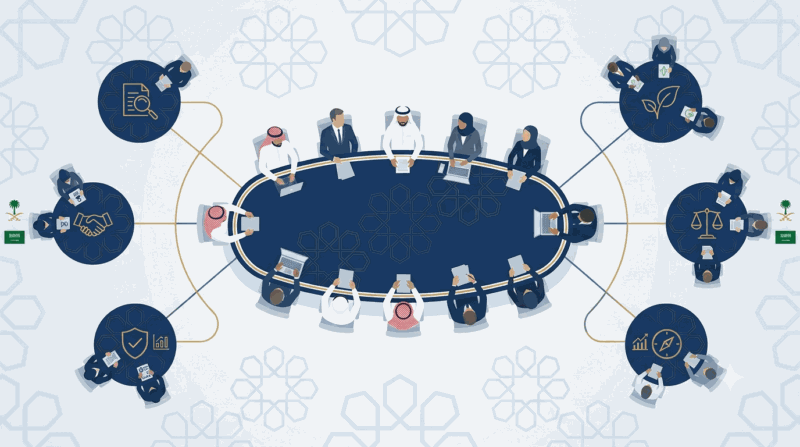
Board Committees under the Corporate Governance Regulations Chapter Four: Audit Committee, Nominations and Remuneration Committee, Risk Committee
First: Introduction
Board committees are the specialized arms of the Board, performing the deep detailed work that the full Board cannot do in its regular meetings. Chapter Four of the Regulations (Articles 50-67) precisely organizes these committees, from their formation to their powers to the frequency of their meetings. The goal: ensuring quality oversight of critical areas (financial, risk, nominations, remuneration) through dedicated specialists. Recent amendments to the Regulations, especially transferring the authority to form the audit committee from the Assembly to the Board (2024), reflect maturity in understanding the role of committees. These amendments make committees an effective governance tool in the Board’s hands, while preserving their independence and objectivity. This article reviews each committee separately: Audit Committee, Nominations and Remuneration Committee, Risk Committee, as well as optional committees.
Second: General Framework for Committees
1. Mandatory Committees
The Regulations require three main committees:
- Audit Committee (Article 54).
- Nominations and Remuneration Committee (Article 60).
- Risk Committee (for financial sectors, per regulations).
2. Optional Committees
The company may form additional committees:
- Governance Committee.
- Investment Committee.
- Sharia Compliance Committee (for Islamic financial institutions).
- Temporary committees.
2. Committee Charters
2.1 Mandatoriness
Article (50):
- The Board must approve a charter for each committee.
- Written and approved charter.
- Defines responsibilities and powers.
2.2 Required Content
- Committee name and purpose.
- Composition (number of members, qualifications).
- Powers and responsibilities.
- Procedures (meetings, quorum, voting).
- Reports to the Board.
- Periodic evaluation.
Third: Audit Committee
1. Composition
1.1 Number
Article (54):
- At least 3 members.
- Maximum 5.
- Non-executives.
1.2 Members
- From non-executive board members.
- Or from outside the Board.
- Subject to specialized competency.
- Subject to independence.
1.3 Committee Chair
- Independent member.
- Not the Board Chair.
- Does not chair the Nominations and Remuneration Committee.
1.4 Financial Competency
The Regulations require:
- At least one member with financial and accounting expertise.
- Recommended practice: majority of members.
- Specialized competency is essential for effectiveness.
2. Substantive Change (2024)
2.1 Who Forms the Committee?
Important amendment:
- Previously: General Assembly formed the committee.
- Since 2024: Board of Directors forms the committee.
- Aligned with new Companies Law.
- Speeds up decisions.
2.2 Effects
- Greater flexibility in committee composition.
- Speed of amendments.
- But: greater responsibility on the Board.
- Disclosure to shareholders.
3. Responsibilities
3.1 Financial Statement Oversight
- Reviewing quarterly and annual statements.
- Ensuring accuracy and completeness.
- Verifying compliance with standards.
- Recommending approval to the Board.
3.2 External Auditor Oversight
- Recommending auditor appointment.
- Determining fees.
- Evaluating independence.
- Monitoring work.
- Recommending reappointment or change.
3.3 Internal Audit Oversight
2024 amendments — strengthened requirements:
- Approving internal audit plan.
- Recommending appointment and dismissal of internal auditor (new).
- Ensuring independence.
- Monitoring plan implementation.
- Ensuring adequate resources.
3.4 Internal Control
- Evaluating internal control system.
- Monitoring effectiveness.
- Periodic reports to the Board.
- Recommending improvements.
3.5 Related Party Transactions
- Reviewing them before presenting to the Board.
- Verifying fair pricing.
- Appropriate disclosure.
- Recommending to the Board.
3.6 Compliance
- Monitoring compliance with regulations.
- Investigating violations.
- Reports to the Board.
- Whistleblowing policies.
4. Meetings
4.1 Frequency
- At least 4 meetings annually (one each quarter).
- Additional meetings as needed.
- Emergency meetings when necessary.
4.2 Mandatory Meetings
2024 amendments:
- Periodic meetings with external auditor (new).
- Separate meetings without management.
- Open communication.
5. Reports
- Periodic reports to the Board.
- Comprehensive annual report.
- Within the company’s annual report.
- Disclosure to shareholders.
Fourth: Nominations and Remuneration Committee
1. Composition
1.1 Number
Article (60):
- At least 3 members.
- Maximum 5.
- Non-executives.
1.2 Members
- From non-executive board members.
- Majority of independents.
- With competencies in human resources and management.
1.3 Committee Chair
- Independent member.
- Not the Board Chair.
- Does not chair the Audit Committee.
2. Combining or Separating
2.1 The Two Options
- One committee (“Nominations and Remuneration”).
- Or two separate committees (“Nominations” and “Remuneration”).
2.2 The Choice
- According to company size and complexity.
- In large companies: may separate.
- In small and medium companies: often combined.
3. Nominations Responsibilities
3.1 Nominating Board Members
- Suggesting candidates to the Board.
- Identifying required competencies.
- Searching for qualified candidates.
- Verifying eligibility.
- Recommending to the Assembly.
3.2 Evaluating Independence
- Annual review of independent members’ independence.
- Applying Regulations’ criteria.
- Reporting to the Board.
- Disclosure.
3.3 Succession Plan
- Preparing succession plan for the Board.
- For the CEO.
- For senior executives.
- Monitoring development.
3.4 Board Performance Evaluation
- Overseeing annual evaluation.
- Choosing evaluation methodology.
- Recommendations for improvement.
- Monitoring implementation.
3.5 Senior Executive Nomination
- CEO.
- Senior management.
- Selection criteria.
- Recommendation to the Board.
4. Remuneration Responsibilities
4.1 Remuneration Policy
- Proposing comprehensive policy.
- For members and executive management.
- Aligned with strategy.
- Recommendation to Board and Assembly.
4.2 Setting Remuneration
- Board member remuneration.
- Committee attendance allowances.
- Salaries and incentives for executive management.
- Long-term incentives.
4.3 Performance Linkage
- Linking incentives to specified objectives.
- Performance measurement criteria.
- Balance between short and long term.
- Disclosure.
4.4 Disclosure
- Remuneration policy in the annual report.
- Details of member and management remuneration.
- Linking to performance.
- Mandatory requirement.
5. Meetings
- At least two meetings annually.
- Practice: 4 meetings.
- Additional meetings as needed.
Fifth: Risk Committee
1. Application
1.1 The Requirement
Article (65):
- Mandatory in financial sectors.
- (Banks, insurance, investment companies).
- Optional for other sectors.
- Recommended for large companies.
1.2 Reference Frameworks
- Regulations for capital market companies.
- Central Bank framework for banks.
- Insurance Authority regulations.
- International standards (COSO, ISO 31000).
2. Composition
- At least 3 members.
- Non-executives.
- Majority independents.
- Risk management expertise.
3. Responsibilities
3.1 Risk Management Framework
- Proposing framework to the Board.
- Monitoring implementation.
- Periodic review.
- Updating.
3.2 Risk Appetite
- Proposing risk limits.
- Measurement criteria.
- Monitoring compliance.
- Reports when exceeded.
3.3 Material Risks
- Identifying them.
- Evaluating them.
- Monitoring mitigation strategies.
- Periodic reports.
3.4 Types of Risks
- Credit.
- Market.
- Operational.
- Reputational.
- Strategic.
- Compliance.
- Cyber.
4. Meetings
- At least 4 meetings annually.
- In financial sectors: more.
- Reports to the Board.
Sixth: Governance Committee
1. Nature
- Optional in the Regulations.
- Recommended for large companies.
- Strengthens governance compliance.
2. Responsibilities
- Reviewing compliance with Governance Regulations.
- Monitoring regulatory developments.
- Proposing governance policies.
- Overseeing the Board charter.
- Periodic reports.
3. Composition
- At least 3 members.
- Non-executives.
- Governance expertise.
Seventh: Investment Committee
1. Nature
- Mandatory in financial companies.
- (Banks, insurance companies, investment companies).
- Optional in others.
2. Responsibilities
- Investment policy.
- Approving major investments.
- Monitoring portfolio performance.
- Investment risk management.
- Reports.
Eighth: Sharia Compliance Committee
1. Application
- In Islamic financial institutions.
- (Islamic banks, takaful insurance companies).
- Without conventional products.
2. Composition
- Accredited Sharia scholars.
- 3-5 members.
- With specified Sharia qualifications.
3. Responsibilities
- Approving Sharia products.
- Reviewing operations.
- Sharia audit.
- Fatwas.
- Reports.
Ninth: Temporary Committees
1. Nature
- Formed for specific tasks.
- For limited period.
- With clear purpose.
- Terminate after achieving the purpose.
2. Examples
- Acquisition committee.
- Share offering committee.
- Investigation committee.
- Specific strategy committee.
3. The Framework
- Clear charter.
- Specific objective.
- Timeline.
- Periodic reports.
- Termination after completion.
Tenth: Coordinating Committees
1. Overlap and Integration
1.1 Shared Areas
Some topics concern more than one committee:
- Internal control: Audit + Risk.
- Strategy: Board + technical committees.
- Cyber risks: Risk + Audit + Governance.
1.2 Coordination
- Joint meetings when necessary.
- Exchanging reports.
- Clarifying roles.
- Escalation to the Board.
2. Avoiding Overlap
- Precisely defined charters.
- Clarifying responsibilities.
- Communication between committee chairs.
- Secretary’s coordinating role.
Eleventh: Reports and Disclosure
1. Reports to the Board
- After each committee meeting.
- Discussion summary.
- Recommendations.
- Decisions.
- For documentation and follow-up.
2. Annual Report
In the company’s annual report:
- Report from each committee.
- Annual activities.
- Achievements.
- Challenges.
- Future plans.
3. Disclosure to Shareholders
- Committee composition.
- Member names.
- Number of meetings.
- Attendance.
- Committee activities.
Twelfth: Committee Performance Evaluation
1. Annual Evaluation
Part of Board evaluation:
- Committee effectiveness.
- Achievement of responsibilities.
- Quality of recommendations.
- Contribution to Board decisions.
2. Indicators
- Member attendance.
- Quality of discussions.
- Charter compliance.
- Achievement of objectives.
- Relationship with Board and management.
3. Improvement
- Recommendations for committee development.
- Updating the charter.
- Member development.
- Improving operations.
Thirteenth: Common Challenges
1. “Overlap Between Committees” Challenge
Lack of clarity in responsibilities:
- Solution: precisely defined charters.
- Clarifying each committee’s boundaries.
- Continuous coordination.
2. “Formal Committees” Challenge
Committees without real effectiveness:
- Solution: focus on added value.
- Truly qualified members.
- Real meetings.
- Considered recommendations.
3. “Affected Independence” Challenge
Pressures from management:
- Solution: protecting independence.
- Sessions without management.
- Direct communication with the Board.
4. “Limited Expertise” Challenge
Shortage of specialized members:
- Solution: continuous training.
- Engaging external experts.
- Developing resources.
Fourteenth: Best Practices
1. At the Composition Level
- Real competency: not formal.
- Independence: essential.
- Diversity: in expertise.
- Appropriate size: not too large.
2. At the Work Level
- Clear charter: and updated.
- Regular meetings: per specified frequency.
- Good preparation: for meetings.
- Documentation: precise.
3. At the Communication Level
- With the Board: periodic reports.
- Between committees: effective coordination.
- With management: constructive and supportive.
- With shareholders: full disclosure.
4. At the Development Level
- Periodic evaluation: of performance.
- Training: for members.
- Review: of practices.
- Continuous improvement: of effectiveness.
Conclusion
Board committees are the specialized arms enabling the Board to deeply oversee critical areas. Chapter Four of the Regulations precisely defines these committees, their composition, responsibilities, and work. Effective application of these requirements transforms committees from mere administrative structures into real governance tools, adding value, alerting to risks, and supporting informed decision-making. Recent amendments, especially transferring the authority to form the audit committee from the Assembly to the Board (2024), reflect confidence in the Board’s ability to manage governance responsibly. Leading companies are not satisfied with the minimum of mandatory committees, but develop optional committees serving their specific needs. Investing in committee member selection, charter development, and continuous qualification, is an investment that pays off in every governance decision. An effective committee is not a group of people meeting, but an integrated work system serving the Board, the company, and shareholders.
Contact Us
FAQS
References and Sources
- Corporate Governance Regulations — Chapter Four (Articles 50-67).
- Amendments to Governance Regulations 2023-2024.
- Banks Governance Framework — Saudi Central Bank.
- Insurance Authority regulations.
- AAOIFI Islamic Governance Standards.
- COSO ERM Framework.
- ISO 31000 Risk Management.
- OECD Corporate Governance — Committees Guidelines.
- PwC, KPMG, EY, Deloitte — Audit Committee Guides.
- Certified Governance Institute — Committee Guides.
FAQ
What are the mandatory board committees under the Corporate Governance Regulations?
Three committees: the Audit Committee (Article 54), the Nominations and Remuneration Committee (Article 60), and the Risk Committee, which is mandatory for financial sectors such as banks, insurance, and investment companies and optional but recommended for other large companies.
How many members must the Audit Committee have and what is the financial expertise requirement?
The Audit Committee must have between 3 and 5 non-executive members, with at least one member required to have financial and accounting expertise, though recommended practice is for the majority of members to have this expertise for greater effectiveness.
Who forms the Audit Committee after the 2024 amendments?
Previously the General Assembly formed the Audit Committee, but since 2024 this authority has transferred to the Board of Directors, aligning with the new Companies Law and providing greater flexibility and speed in composition, while increasing the Board's responsibility and disclosure obligations to shareholders.