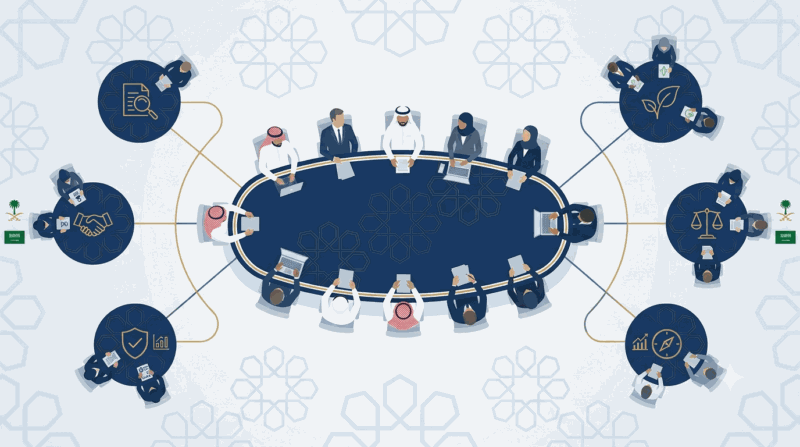
CMA Supervision, Enforcement Mechanisms, and Penalties

CMA Supervision, Enforcement Mechanisms, and Penalties Authority Powers, Investigations, Penalties, and Appeal Mechanisms
First: Introduction
Supervision and enforcement are the two wings that transform the Corporate Governance Regulations from a written text to a binding reality. The Capital Market Authority is endowed with broad powers to supervise listed companies, investigate violations, and impose penalties. This strong enforcement framework is what distinguishes mature markets from markets where regulation is mere words on paper. Understanding supervision and penalty mechanisms is not only for protection from violations, but to understand the system as a whole. Every shareholder, board member, CEO needs to understand what happens upon violation: who investigates, what are the procedures, what are the penalties, what is the right to defense, what are appeal procedures. This understanding drives compliance as much as it protects upon accusation. This article reviews all these aspects in detail.
Second: Powers of the Capital Market Authority
1. Legal Framework
1.1 Capital Market Law
Powers are stipulated in the Law:
- Royal Decree M/30 of 1424H.
- The Law defines powers.
- Regulations detail them.
1.2 Inspection and Investigation Procedures and Rules Regulations
- Detailed procedures.
- Rights and duties.
- Deadlines.
- Grievances.
2. Basic Powers
2.1 Legislative Powers
- Issuing regulations.
- Amending them.
- Interpreting them.
- Granting exemptions.
2.2 Supervisory Powers
- Market monitoring.
- Following listed companies.
- Reviewing disclosures.
- Access to documents.
2.3 Investigative Powers
- Investigating complaints.
- Investigating suspected violations.
- Summoning witnesses.
- Requesting documents.
2.4 Penal Powers
- Imposing fines.
- Suspension from work.
- License cancellation.
- Referral to Prosecution.
2.5 Powers in Emergency Cases
- Trading suspension.
- Precautionary procedures.
- Freezing.
Third: Periodic Supervision
1. Disclosure Review
1.1 Continuous Monitoring
The Authority reviews:
- Periodic financial statements.
- Annual reports.
- Immediate disclosures.
- Specialized disclosures.
1.2 Indicators
- Compliance with deadlines.
- Content completeness.
- Accuracy.
- Consistency with previous reports.
2. Inspection
2.1 Nature
- Periodic visits.
- Random samples.
- Following up on complaints.
2.2 Content
- Reviewing policies.
- Verifying procedures.
- Interviewing officials.
- Reviewing documents.
3. Early Warning Indicators
3.1 Financial
- Unusual price fluctuations.
- Inconsistent profits.
- Increasing debt.
- Liquidity indicators.
3.2 Disclosure
- Delayed reports.
- Incomplete disclosures.
- Frequent amendments.
- Contradictions.
3.3 Governance
- Frequent resignations.
- Change of external auditor.
- Employee complaints.
- Internal disputes.
Fourth: Investigation of Violations
1. Investigation Sources
1.1 Complaints
- From investors.
- From shareholders.
- From employees (Whistleblowing).
- From other regulatory authorities.
1.2 Self-Monitoring
- Authority discovery.
- From analyses.
- From indicators.
- From follow-up.
1.3 Referrals
- From Tadawul.
- From external auditors.
- From banks.
- From other entities.
2. Investigation Stages
2.1 Preliminary Investigation
- Evaluating the complaint/indicator.
- Collecting initial information.
- Decision to open formal investigation.
2.2 Formal Investigation
- Forming investigation team.
- Collecting evidence.
- Summoning witnesses.
- Requesting documents.
2.3 Notifying the Violator
- Of investigation axes.
- Of the right to respond.
- Of the right to engage a counselor.
2.4 Response and Defense
- Opportunity to respond.
- Submitting evidence.
- Defense.
- Within specified deadlines.
2.5 The Decision
- Based on evidence.
- Establishing or denying violation.
- Determining penalty.
- Disclosure.
3. Rights During Investigation
3.1 Right of Defense
- Reviewing accusations.
- Responding freely.
- Submitting evidence.
- Summoning witnesses.
3.2 Right of Engagement
- With legal counsel.
- With financial expert.
- With governance consultant.
3.3 Confidentiality
- Investigation confidentiality.
- Without defamation.
- Until completion.
Fifth: Types of Violations
1. Disclosure Violations
1.1 Delay
- In submitting periodic reports.
- In immediate disclosures.
- In specialized disclosures.
1.2 Deficiency
- Incomplete disclosures.
- Missing information.
- Without required details.
1.3 Error
- Inaccurate information.
- Wrong numbers.
- Misleading interpretations.
1.4 Misleading
- Intentionally wrong information.
- Concealing material information.
- Distorting the truth.
2. Governance Violations
2.1 Board Composition
- Shortage of independent members.
- Combining Chairman and CEO positions.
- Shortage of required competencies.
2.2 Committees
- Not forming mandatory committees.
- Incorrect composition.
- Insufficient meetings.
2.3 Procedures
- Not respecting Assembly procedures.
- Incorrect quorum.
- Improper voting.
3. Market Violations
3.1 Insider Trading
- Trading based on inside information.
- Leaking information.
- Trading during blackout periods.
3.2 Price Manipulation
- Fictitious transactions.
- Spreading rumors.
- Collusion.
3.3 Fraud
- Document forgery.
- Deliberate misleading.
- Financial crimes.
Sixth: Penalty System
1. Financial Fines
1.1 Limits
Under the Capital Market Law:
- Fines up to SAR 5 million.
- In serious cases: higher.
- Doubling illicit profits.
1.2 Determining the Fine
Based on criteria:
- Severity of the violation.
- Profits achieved.
- Damages.
- Prior violations.
- Cooperation with investigation.
2. Administrative Penalties
2.1 Warning
- For minor violations.
- Without financial impact.
- With commitment to remediation.
2.2 Remediation Request
- Obligation to address the violation.
- Within specified duration.
- Under monitoring.
2.3 Suspension from Work
- For individuals.
- Limited duration.
- For members and managers.
2.4 Banning from Nomination
- For board membership.
- For administrative positions.
- For specified or permanent period.
2.5 License Cancellation
- For licensed persons.
- After serious violations.
- After investigation.
3. Company-Related Penalties
3.1 Suspension
- Stock trading suspension.
- For specified period.
- For necessity.
3.2 Cancellation
- Listing cancellation.
- In very serious cases.
- Rare.
4. Referral to Other Authorities
4.1 Public Prosecution
- In financial crimes.
- Forgery.
- Fraud.
- Serious insider trading.
4.2 Imprisonment
- In criminal cases.
- By judicial ruling.
- Depending on the crime.
Seventh: Disclosure of Violations
1. Disclosure to the Public
1.1 Violations and Penalties
- The Authority publishes violations.
- On its official website.
- With specified content.
1.2 The Purpose
- Transparency.
- Deterrence.
- Investor protection.
- Education.
2. Reputation Impact
2.1 On the Company
- Impact on share price.
- Impact on trust.
- Impact on customers.
2.2 On Individuals
- Impact on professional reputation.
- Difficulty in holding positions.
- Long-term impact.
Eighth: Right to Appeal
1. The Framework
1.1 Securities Disputes Resolution Committee
- Specialized judicial committee.
- To hear appeals.
- With specified procedures.
1.2 Jurisdiction
- Appeals on Authority decisions.
- Financial disputes.
- Compensation lawsuits.
- Financial crimes.
2. Appeal Procedures
2.1 Deadline
- 60 days from date of notification of decision.
- For the aggrieved.
2.2 Procedures
- Statement of claim.
- Reasons.
- Evidence.
- Sessions.
2.3 Decisions
- Affirmation.
- Amendment.
- Cancellation.
- Referral.
3. Appeal
- To the Appellate Circuit.
- Within specified deadlines.
- On specified grounds.
4. Enforcement
- Final decisions are binding.
- With executive force.
- With protection of aggrieved rights.
Ninth: Civil Liability
1. Compensations
1.1 Right to Compensation
- For aggrieved investors.
- From violations.
- For actual damages.
1.2 Grounds
- False disclosures.
- Misleading.
- Fraud.
- Insider trading.
2. Class Actions
2.1 The Framework
- For a group of aggrieved.
- With common grounds.
- Against the same defendant.
2.2 Procedures
- Organizing aggrieved parties.
- Filing the lawsuit.
- Legal representation.
2.3 Evolution
- Growth in the Saudi capital market.
- Culture of investor protection.
- Evolution of legal framework.
Tenth: Challenges in Enforcement
1. “Proof” Challenge
Difficulty proving some violations:
- Insider trading.
- Misleading.
- Collusion.
2. “Speed” Challenge
Need for speed in investigation:
- To prevent recurrence of damage.
- For deterrence.
- For investor protection.
3. “Coordination” Challenge
With other regulatory authorities:
- SAMA.
- Insurance Authority.
- Security authorities.
- Public Prosecution.
4. “Cross-Border Crimes” Challenge
Violations across countries:
- International cooperation.
- Information exchange agreements.
- IOSCO MMoU.
Eleventh: Prevention from Violations
1. At the Company Level
1.1 Compliance Culture
- From the top.
- At all levels.
- Without exceptions.
1.2 Policies and Procedures
- Comprehensive.
- Updated.
- Known to all.
1.3 Training
- Regular.
- On new developments.
- With examples.
- With scenarios.
1.4 Reporting System
- Confidential channels.
- Whistleblower protection.
- Quick response.
2. At the Individual Level
2.1 Knowledge
- Of laws and regulations.
- Of responsibilities.
- Of penalties.
2.2 Compliance
- With rules.
- With policies.
- With professional ethics.
2.3 Reporting
- On violations.
- Without hesitation.
- With self-protection.
Twelfth: Best Practices
1. At the Governance Level
- Full compliance: with the Regulations.
- Self-monitoring: continuous.
- Internal audit: strong.
- Transparency: in everything.
2. At the Dealing Level
- Cooperation: with the Authority.
- Responses: quick and complete.
- Transparency: in investigations.
- Remediation: immediate for problems.
3. At the Defense Level
- Legal consultation: early.
- Documentation: of everything.
- Response with strong: arguments.
- Preserving legitimate: rights.
Conclusion
CMA supervision and enforcement mechanisms are what transform the Corporate Governance Regulations from text to reality. The Authority’s broad powers, specified investigation procedures, gradual penalty system, and right of appeal all form an integrated system ensuring compliance and protecting the market. This enforcement framework is what distinguishes the Saudi capital market and raises its attractiveness. Recent developments, especially the Authority’s tightening in enforcement and increasing penalties on violators, reflect regulatory maturity. Smart Saudi companies do not wait for the penalty to comply, but build compliance culture from the top. Investing in prevention — policies, training, internal control — is much cheaper than the cost of violation. With continuous evolution of the Governance Regulations through 2026, compliance is no longer optional but a foundation for survival and growth in the evolving Saudi capital market.
Contact Us
FAQS
References and Sources
- Capital Market Law (Royal Decree M/30).
- Inspection and Investigation Procedures and Rules Regulations.
- Securities Disputes Resolution Regulations.
- Market Conduct Regulations.
- Corporate Governance Regulations.
- Official CMA Website — Violations and Penalties.
- IOSCO Multilateral Memorandum of Understanding (MMoU).
- SEC Enforcement Manual.
- FCA Enforcement Guide.
- Studies on Saudi CMA Enforcement Trends.
FAQ
What are the core powers of the Capital Market Authority?
Five categories of powers: legislative (issuing, amending, and interpreting regulations), supervisory (monitoring the market and listed companies), investigative (investigating complaints and violations), penal (imposing fines, suspensions, and license cancellations), and emergency powers such as suspending trading and precautionary freezing.
Where do investigations into violations typically originate from?
From complaints submitted by investors, shareholders, or employees through whistleblowing channels, from the Authority's own self-monitoring through analysis and indicators, and from referrals made by Tadawul, external auditors, banks, or other regulatory entities.
What are the stages of a formal investigation process?
It begins with a preliminary investigation evaluating the complaint or indicator, followed by a formal investigation involving evidence collection and witness summons, then notifying the violator of the investigation's focus areas with the right to respond, a response and defense stage, and finally a decision based on the evidence establishing or denying the violation.