In-person Meetings
In-person Meetings Venue Arrangements, Seating, Hospitality, and Logistics
First: Introduction
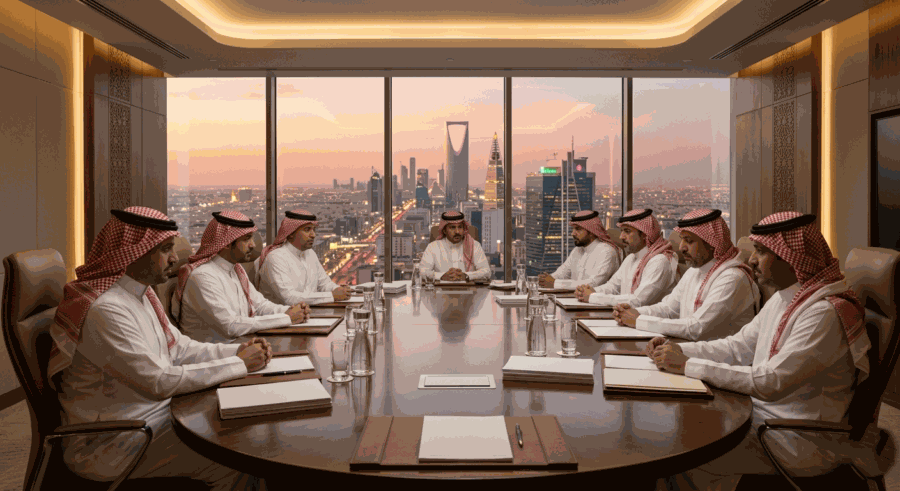
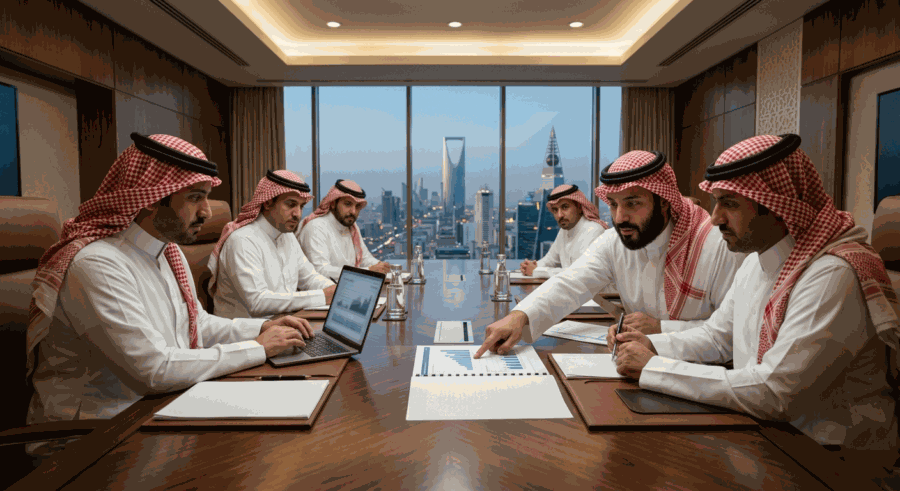
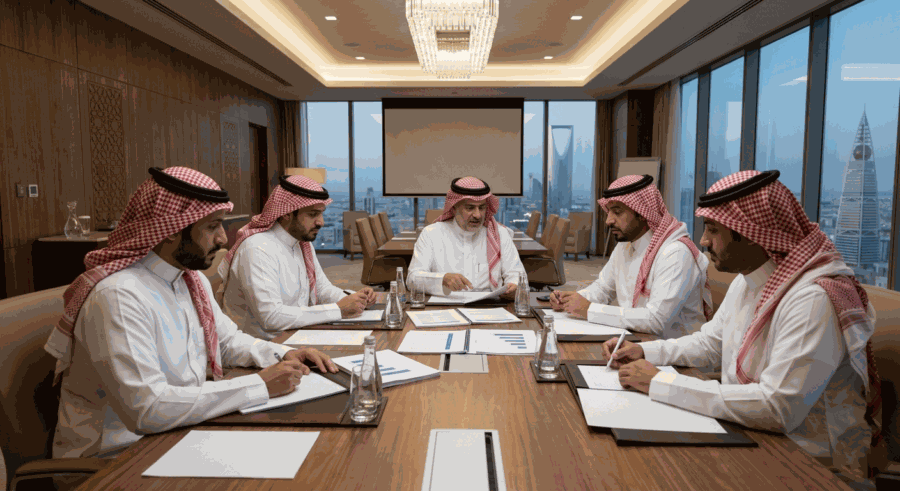
Despite the spread of electronic and hybrid meetings, in-person meetings remain the strongest form of human interaction in many contexts. Strategic meetings, sensitive encounters, team building, and formal occasions all benefit from in-person meeting in a way technology cannot fully provide. Physical presence carries signals that don’t appear on screen: body language, eye contact, subtle gestures, even silence carries different meaning. But in-person meetings don’t guarantee success. A bad venue, disorganized seating, awkward hospitality, or chaotic logistics turn the advantage of presence into a burden. Good logistics fade into the background to let content shine; bad logistics overshadow everything. This article reviews all aspects of preparing for in-person meetings: venue, seating, hospitality, logistics, and the details that make the difference.
Second: Venue Selection
1. Types of Venues
1.1 Official Boardroom
At company headquarters, dedicated to board and committee meetings:
- Most formal.
- Fully equipped.
- Provides high confidentiality.
- Easy access for members.
- Appropriate for formal and routine meetings.
1.2 Other Conference Rooms
In the company, for multiple meetings:
- Less formal than boardroom.
- Appropriate for operational meetings.
- Multi-purpose.
- May need booking.
1.3 Hotels and Conference Centers
For large or strategic meetings:
- Neutral environment.
- Professional services.
- Avoid daily interruptions.
- Higher cost.
- Appropriate for workshops and extended meetings.
1.4 Resorts and Remote Locations
For long strategic meetings (Retreats):
- Complete separation from daily work.
- Full focus.
- Team building.
- High cost.
- Duration of a day or more.
1.5 Other Parties’ Offices
Meetings with partners or other companies:
- Specific visit protocol.
- Unfamiliar environment.
- Respecting host rules.
2. Venue Selection Criteria
2.1 Size
- Appropriate for number (not too big, not too small).
- Sufficient space for movement.
- Space for documents and equipment.
- Break area (if needed).
2.2 Location
- Ease of access.
- Sufficient parking.
- Close to participants.
- Nearby services (restaurants, hotels).
2.3 Privacy
- Closed room (not in open area).
- Soundproof walls.
- No windows revealing interior.
- Complete privacy from passersby.
2.4 Comfort
- Good air conditioning.
- Comfortable lighting (natural if possible).
- Comfortable seating for hours.
- Fresh air.
2.5 Technical Equipment
- Large display screens.
- Sound system.
- Fast internet.
- Sufficient power outlets.
- Equipment for hybrid meetings (cameras, microphones).
Third: Seating Arrangements
1. Seating Layouts
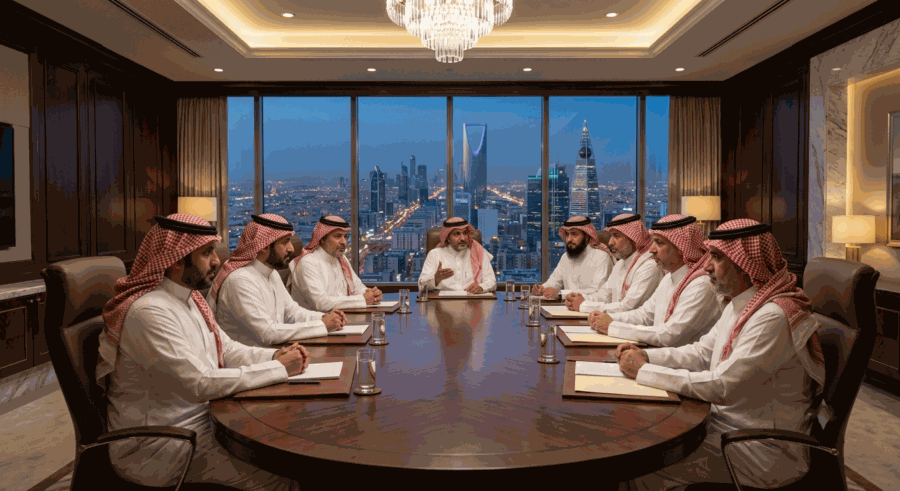
1.1 Round Table
All participants equal in status:
- Ideal for group discussion.
- No clear “head” from seating.
- Easy eye contact between everyone.
- Space may be limited.
1.2 Rectangular Table
Most common in board meetings:
- Chair at head of table.
- Vice chair at opposite end.
- Members on the sides.
- Clear hierarchy.
- May create distance between parties.
1.3 U-Shaped Table
For large meetings with presentation:
- Allows screen visibility.
- Facilitator in the middle.
- Appropriate for workshops.
- Accommodates more people.
1.4 Rows
For presentations and large meetings:
- Everyone faces speaker.
- Unsuitable for discussion.
- Accommodates large numbers.
1.5 Pods
Small groups of 4-6 people:
- Appropriate for workshops.
- Encourages teamwork.
- Facilitator moves between groups.
| Seating Type | Ideal Number | Best Use |
|---|---|---|
| Round table | 6-10 | Group discussion, decision-making |
| Rectangular table | 8-16 | Board meetings, formal |
| U-shape | 12-25 | Workshops with presentation |
| Rows | 20+ | Presentations, town halls |
| Pods | 16-30 | Group workshops |
2. Seat Arrangement
2.1 In Board Meeting
Traditional arrangement:
- Board chair at head of table.
- Secretary beside him (for quick consultation).
- Vice chair at opposite end.
- CEO on chair’s right.
- Members alphabetically or by seniority.
2.2 In Formal Meeting
Protocol considerations:
- Most important guest beside most important host.
- Arrangement by rank.
- Arrangement by seniority.
- Respecting local traditions.
2.3 Informal Meetings
More flexibility:
- Optional seating.
- Encouraging mixing.
- Avoiding seating “blocks.”
3. Seat Names
In formal meetings:
- Name cards on each seat.
- Ease of knowing “who.”
- Avoiding embarrassment.
- Respect for guests.
Fourth: Hospitality
1. Coffee and Tea
1.1 Preparation
- Ready before attendees arrive.
- Varied (Arabic coffee, espresso, tea, green tea).
- Accompaniments (dates, light sweets).
- Cold water always available.
1.2 Service
- Silently and politely.
- Without disturbing discussion.
- During breaks.
- Quality over quantity.
2. Meals
2.1 Short Meetings (Less than 2 hours)
- Coffee and tea only.
- Perhaps chocolate pieces or fruit.
- No need for meal.
2.2 Medium Meetings (2-4 hours)
- Short break (15 minutes).
- Pastries, fruit, juices.
- Perhaps light sandwiches.
2.3 Long Meetings (4+ hours)
- Full meal.
- Lunch or dinner depending on time.
- Presented professionally.
- Varied options (vegetarian, allergies, etc.).
2.4 Annual or Strategic Meetings
- Meals at formal level.
- Group breakfast.
- Working lunch.
- Perhaps formal dinner.
3. Cultural and Health Considerations
3.1 Religious and Cultural Diversity
- Halal options for everyone.
- Vegetarian options.
- Respecting prayer times in Ramadan.
- Respecting visitors’ fasting.
3.2 Allergies and Health Needs
- Pre-question about allergies.
- Cards identifying ingredients.
- Options for diabetes.
- Healthy options.
4. Level of Hospitality
Level of hospitality reflects meeting importance:
| Meeting Type | Hospitality Level |
|---|---|
| Daily operational meeting | Coffee and water only |
| Committee meeting | Coffee, tea, dates |
| Board meeting | Full hospitality, organized break |
| Strategic board meeting | Luxurious hospitality, meal |
| Meeting with strategic partners | High-level hospitality |
| Founding/signing meeting | Ceremonial hospitality |
Fifth: Pre-Meeting Logistics
1. Invitation and Confirmation
- Sending invitation at least a week before.
- Confirming attendance 48 hours before.
- Location and access information.
- Parking information.
- Contact for inquiries.
2. Material Distribution
- Documents electronically before meeting.
- Paper copies in the room (for attendees).
- Agenda on each seat.
- Name cards.
- Pens and papers.
3. Technical Setup
- Testing equipment an hour before meeting.
- Verifying internet connection.
- Display screen readiness.
- Microphone readiness.
- Technical support available.
4. Room Setup
- Arranging seats before attendees arrive.
- Comfortable temperature (22-24 degrees Celsius).
- Appropriate lighting.
- Hospitality ready.
- Guidance signs for distant locations.
Sixth: Attendee Reception
1. Reception at Entry
- Reception staff.
- Directions to location.
- Attendance registration.
- Receiving phones (for confidential meetings).
2. Welcoming
- Warm welcome from facilitator.
- Direction to seat.
- Offering hospitality.
- Introduction of new attendees.
3. Attendance Registration
- Attendance register for each meeting.
- Attendee signatures.
- Recording arrival times.
- Notes on absence or lateness.
Seventh: During the Meeting
1. Breaks
1.1 Break Timing
- Every 90-120 minutes.
- Short breaks (10-15 minutes).
- Longer break for meal (45-60 minutes).
1.2 Managing Breaks
- Starting break at specified time.
- Ending at specified time.
- Announcement 2 minutes before.
- Respecting prayer time (if appropriate).
2. Prayer Times
- Knowing prayer times for the day.
- Allocating breaks corresponding to them.
- Providing prayer space nearby.
- Respect for all participants.
3. Continuous Comfort
- Water on each table.
- Temperature control.
- Alert if one participant is uncomfortable.
- Respect for special needs.
Eighth: Technology in In-person Meeting
1. Display Screens
- Large screen visible to all.
- High quality.
- Easy connections (HDMI, wireless).
- Testing before meeting.
2. Sound
- Clear sound system.
- Microphones if room is large.
- Recording equipment (if needed).
3. Internet
- Fast and reliable connection.
- Network name and password available.
- Sufficient bandwidth for all.
4. Connection with Remote Attendees
- Equipment for hybrid meetings.
- Cameras at multiple angles.
- Microphones capturing all sounds.
- Screen for seeing remote attendees.
Ninth: After the Meeting
1. Bidding Farewell
- Personal thanks to attendees.
- Farewell at exit.
- Providing transportation (if needed).
2. Cleaning the Room
- Collecting sensitive documents.
- Ensuring no confidential information is left.
- Rearranging the room.
- Retrieving equipment.
3. Document Follow-up
- Collecting drafts and notes.
- Preserving important documents.
- Securely destroying confidential information.
Tenth: Common Challenges
1. Too Small or Too Large Room
Misjudging size:
- Small: crowding and discomfort.
- Large: feeling of emptiness, communication difficulty.
- Solution: appropriate choice by number.
2. Broken Technology
Unexpected failures:
- Solution: testing an hour before.
- Alternative plan (paper documents).
- Available technical support.
3. Awkward Hospitality
Inappropriate hospitality:
- Solution: pre-question about preferences.
- Varied options.
- Cultural respect.
4. External Interruptions
Noise, calls, visitors:
- Solution: dedicated isolated room.
- Silent phones.
- No visitors during meeting.
Eleventh: In-person Meeting Checklist
1. Week Before Meeting
- Room booking.
- Sending invitations.
- Confirming technical setup.
- Hospitality order.
2. Two Days Before
- Confirming attendance.
- Document distribution.
- Preparing name cards.
- Communicating with hospitality provider.
3. Meeting Day — Two Hours Before
- Early arrival.
- Room arrangement.
- Technology testing.
- Verifying hospitality.
4. At Meeting Start
- Receiving attendees.
- Attendance registration.
- Direction to seats.
- Offering hospitality.
5. During Meeting
- Monitoring general comfort.
- Managing breaks.
- Responding to needs.
6. After Meeting
- Bidding farewell to attendees.
- Cleaning the room.
- Document follow-up.
- Logistics evaluation.
Twelfth: Best Practices
1. At Planning Level
- Early preparation: At least a week.
- Details matter: Every detail makes a difference.
- Alternative plans: For every potential challenge.
- Appropriate budget: Reflecting meeting importance.
2. At Environment Level
- Appropriate room: Size, location, privacy, comfort.
- Studied seating arrangement: Reflecting protocol.
- Reliable technology: Pre-tested.
- Professional hospitality: Appropriate for meeting level.
3. At Hospitality Level
- Warm reception: And personal welcome.
- Attention to details: Names, preferences, needs.
- Continuous comfort: Throughout meeting.
- Proper farewell: After ending.
4. At Improvement Level
- Evaluation after every meeting.
- Learning from experiences.
- Feedback from participants.
- Continuous improvement.
Conclusion
A successful in-person meeting begins with choosing the appropriate room and ends with bidding farewell to the last attendee. Every detail between — from seating arrangement to type of hospitality, from technology quality to respect for prayer times — makes the complete experience. Good logistics fade into the background to let content shine; bad logistics overshadow everything even if content is excellent. In Saudi and Gulf culture, where hospitality and generosity are part of identity, in-person meetings take on important cultural dimensions. Arabic coffee, dates, protocol arrangement, respect for prayer times — all elements reflecting respect and professionalism. Investment in these details isn’t luxury but respect, isn’t cost but return in the form of strong relationships, better decisions, and satisfied participants. A successful in-person meeting remains in participants’ memory as an example of professionalism and good management.
References and Sources
- Chartered Governance Institute — Board Meeting Logistics.
- ICSA — Practical Guidance on Board Meetings.
- Spencer Stuart — Board Meeting Environment.
- Harvard Business Review — The Setting of Strategic Meetings.
- International Protocol Officers Association — Meeting Protocols.
- Saudi Business Etiquette and Protocol Guides.
- Gulf Cooperation Council Business Practices.
- Event Management Best Practices.
- Hospitality Industry Standards for Corporate Events.
- Studies on Meeting Environment and Productivity.
FAQ
How should venue and seating be selected for formal in-person meetings?
Venue selection follows five criteria. Size must match the number of participants — neither cramped nor so spacious it creates emptiness and communication difficulty. Location must offer easy access, sufficient parking, and proximity to participants. Privacy requires a closed, soundproofed room invisible to passers-by — essential for board and committee meetings handling sensitive information. Comfort covers good air conditioning at twenty-two to twenty-four degrees Celsius, appropriate natural or artificial lighting, and seating comfortable enough for hours of concentration. Technology means large display screens, a sound system, fast reliable internet, sufficient power outlets, and hybrid meeting equipment. Five seating layouts serve different purposes. The round table creates equal-status discussion with easy eye contact between all participants and suits groups of six to ten. The rectangular table is standard for board meetings of eight to sixteen people with the chair at the head, vice chair at the opposite end, and the CEO to the chair's right. The U-shape works for twelve to twenty-five participants when a screen must be visible to all. Rows accommodate twenty or more for presentations but are unsuitable for discussion. Pods of four to six seats encourage teamwork in group workshops. In formal board meetings, seat arrangement follows protocol — name cards on each seat signal respect and eliminate confusion.
What hospitality standards apply to different types of in-person meetings?
Hospitality level signals meeting importance and in Saudi and Gulf culture carries significant meaning as an expression of respect. For daily operational meetings coffee and water only is appropriate. Committee meetings merit coffee, tea, and dates. Board meetings warrant full organized hospitality with a scheduled break. Strategic board meetings call for comprehensive hospitality including a meal. Strategic partner meetings and signing or founding meetings require the highest ceremonial hospitality levels. For meeting duration: meetings under two hours need only coffee and tea; two to four hour meetings warrant a fifteen-minute break with pastries, fruit, and light sandwiches; meetings exceeding four hours require a full meal. Cultural and health considerations are non-negotiable — all food must be halal, vegetarian options should be available, pre-event questions about allergies are standard practice with ingredient cards where needed, and prayer times must be respected with corresponding breaks and a nearby prayer space. Coffee and tea should be prepared before attendees arrive, served silently without disrupting discussion, and varied to include Arabic coffee, espresso, tea, and green tea with dates as accompaniment. Cold water should be available on the table throughout.
What are the essential logistics steps from one week before to after the meeting?
The pre-meeting timeline runs in four phases. One week before: book the room, send invitations with location and access information, confirm the technical setup, and order hospitality. Two days before: confirm attendance, distribute documents electronically, prepare name cards, and coordinate with the hospitality provider. Morning of the meeting, two hours before: arrive early, arrange the room with seats and name cards, test all technology including screens, microphones, internet, and hybrid meeting equipment, and verify hospitality is prepared. At the meeting start, receive attendees at the entry with reception staff, register attendance with signatures and arrival times, direct attendees to their seats, and offer hospitality. During the meeting, manage breaks precisely — starting and ending on time with a two-minute advance announcement, and monitoring room temperature and general comfort. After the meeting ends, thank and personally bid farewell to each attendee, collect all sensitive documents and ensure no confidential information is left behind, securely destroy draft materials, return equipment, and restore the room. A post-meeting logistics evaluation captures lessons for continuous improvement — noting what worked in venue, hospitality, and technology, and what should change next time.