The Investment Story and the Investment Thesis
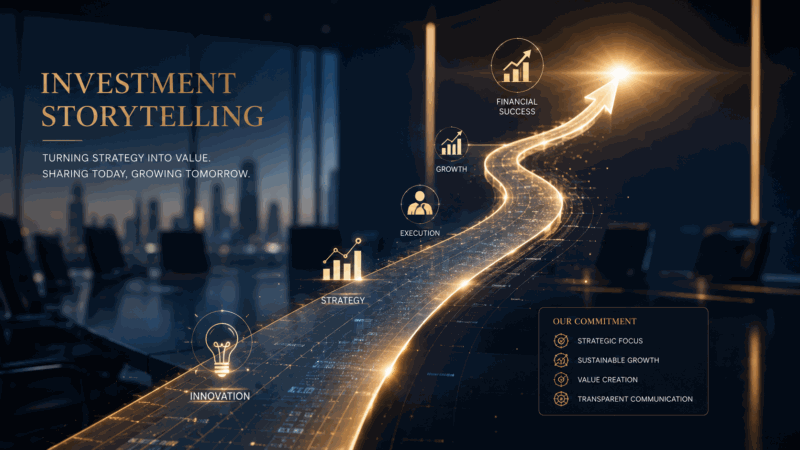
The Investment Story and the Investment Thesis Crafting the Narrative, Standing Apart From Competitors, and Convincing Investors
First: Introduction
Every listed company has an investment story. The question is not “do you have a story?” but “is your story convincing, differentiated, and effectively delivered?” The investment story is the narrative that answers the investor’s question: “why should I put my money into this company rather than another?” A strong, differentiated story attracts investors, lifts the valuation, and builds a solid investor base. A weak or vague story leaves a company in the shadows, however strong its performance. Building a strong investment story is both an art and a science — art in the crafting and the communication, science in the analysis and the strategy. Leading companies invest heavily in shaping their story and updating it as the business evolves. This article covers every aspect: the components, the crafting, differentiation, delivery, and evolution.
Second: What the Investment Story Is
1. The Definition
1.1 The Concept
The investment story is:
- The narrative that explains value.
- Why the company is a good investment.
- What sets it apart.
- How it will create value in future.
1.2 What It Is Not
- Not exaggerated marketing.
- Not wishful thinking.
- Not a restatement of the figures.
- Not a financial statement.
1.3 Story Versus Thesis
- Investment story: the full narrative.
- Investment thesis: the conclusion in one to three sentences.
- The story explains, the thesis condenses.
- Both matter.
2. Why It Matters
2.1 For Investors
- The basis of the investment decision.
- The reason to stay.
- The reason to add.
- The reason to recommend.
2.2 For the Market
- Differentiation from competitors.
- Attracting attention.
- Simplifying complexity.
- Clear answers.
2.3 For the Company
- Unifying messaging.
- Guiding strategy.
- Motivating employees.
- Attracting partnerships.
Third: The Core Components
1. “Who We Are”
1.1 Defining the Company
- The core business.
- A brief history.
- Geographic footprint.
- Scale.
1.2 Heritage and Legacy
- The founding story.
- The turning points.
- Major achievements.
- Cultural inheritance.
2. “What We Do”
2.1 Products and Services
- The core ones.
- The new ones.
- The distinctive ones.
- Explained for a non-specialist audience.
2.2 Customers
- Who we serve.
- Target markets.
- Concentration.
2.3 Competitive Advantage
- What sets us apart.
- The driving forces.
- Technology.
- Brand.
- Capabilities.
3. “Why Us”
3.1 The Real Competitive Advantage
- The moat.
- What protects the company from competition.
- Why it is hard to replicate.
- How durable it is.
3.2 Sector Leadership
- Market share.
- Distinction.
- Reputation.
- Figures that support it.
3.3 Management Quality
- The team.
- The track record.
- The vision.
- Execution.
4. “Where We’re Going”
4.1 Strategy
- Long-term objectives.
- The plans.
- The priorities.
- The investments.
4.2 Growth Drivers
- Existing: improving what is there.
- Expansion: new markets.
- Innovation: new products.
- M&A: where relevant.
4.3 Quantified Targets
- Revenue growth.
- Profit margins.
- ROE / ROA.
- Dividend distributions.
5. “How We’ll Get There”
5.1 The Execution Plan
- Priorities.
- Investments.
- Timelines.
- Measurement.
5.2 Risk Management
- The challenges.
- The strategies.
- Preparedness.
5.3 Resources
- Financial.
- Human.
- Technological.
- Sufficient.
Fourth: The Investment Thesis
1. The Definition
An investment thesis is:
- A summary in one to three sentences.
- Why to invest.
- The essence.
- Rapid persuasion.
2. The Standard Frameworks
2.1 Growth
- “A leading [sector] company, growing at X% annually, with [Y%] margins, addressing markets worth Z trillion.”
- The focus: growth and scale.
2.2 Value
- “A company with [Y] in assets, trading at a [Z%] discount to fair value, with catalyst [A].”
- The focus: valuation.
2.3 Income
- “A stable company, distributing [X%] of earnings, with steady growth, in a defensive sector.”
- The focus: income.
2.4 Turnaround
- “A company in strategic transition, with new management, and the opportunity in [A] and [B].”
- The focus: the transition.
3. Testing the Thesis
3.1 Quality Criteria
- Simple: understandable.
- Differentiated: not generic.
- Supported: by facts.
- Testable: measurable.
3.2 The “Elevator Test”
- The elevator pitch.
- Thirty seconds to convince.
- Focus on the essence.
- Without the detail.
Fifth: Standing Apart From Competitors
1. Why Differentiation Is Essential
1.1 A Crowded Market
- Many companies in every sector.
- Competition for attention.
- Competition for capital.
- Differentiation is what separates.
1.2 The Risks Without It
- Being overlooked.
- Being valued at the sector average.
- No premium.
- No pull.
2. Sources of Differentiation
2.1 Products
- Unique features.
- Higher quality.
- Innovation.
- A strong brand.
2.2 Market
- A leading share.
- Specialized markets.
- A distinctive geography.
- Deep customer relationships.
2.3 Operations
- Higher efficiency.
- Lower costs.
- Vertical integration.
- Supply chain.
2.4 People
- Outstanding management.
- A strong culture.
- Talent.
- Development.
2.5 Governance
- High standards.
- Transparency.
- Strong ESG.
- Appeal to institutional investors.
3. Articulating the Difference
3.1 Clarity
- Without vagueness.
- Without exaggeration.
- With facts.
- With examples.
3.2 Comparison
- Against named competitors (with care).
- By indicators.
- By ratios.
- By preferences.
3.3 Proof
- Figures.
- External assessments.
- Awards.
- Media coverage.
Sixth: The Emotional Elements
1. Why Emotion Matters
1.1 Investing Is Not Purely Rational
- Decisions are substantially emotional.
- Trust is emotional.
- Inspiration.
- Belonging.
1.2 Balancing With the Rational
- The figures matter.
- But emotion adds.
- It does not substitute.
- They complement.
2. Vision
2.1 Inspiration
- Why the company matters.
- Why it makes a difference.
- The impact on society.
- The contribution to a larger vision.
2.2 The Saudi Example
- Connecting to Vision 2030.
- Contributing to the transformation.
- National pride.
- While avoiding overstatement.
3. Stories
3.1 Customer Stories
- How we serve customers.
- The impact on their lives.
- Specific examples.
3.2 Employee Stories
- Internal successes.
- Talent development.
- Culture.
3.3 Community Stories
- Social impact.
- ESG.
- Values.
Seventh: Communicating to Different Audiences
1. Institutions
1.1 What Matters to Them
- Rational valuation.
- The figures.
- Strategy.
- Management.
1.2 The Communication
- In depth.
- With evidence.
- With flexibility under questioning.
2. ESG Funds
2.1 What Matters to Them
- Sustainability.
- Governance.
- Impact.
- In addition to the figures.
2.2 The Communication
- A strong ESG story.
- With the data.
- The commitments.
- The tracking.
3. Analysts
3.1 What Matters to Them
- Full understanding.
- Accurate forecasts.
- The variables.
- The hard questions.
3.2 The Communication
- With financial models.
- With assumptions.
- With sensitivities.
- With the detail.
4. Retail Investors
4.1 What Matters to Them
- General understanding.
- Safety.
- Distributions.
- Ease.
4.2 The Communication
- In simple language.
- With examples.
- With visuals.
- With accessible reports.
5. Media
5.1 What Matters to Them
- A compelling story.
- Events.
- Angles.
5.2 The Communication
- With strong headlines.
- With a narrative.
- With spokespeople.
- By making information available.
Eighth: Presenting the Story Visually
1. The Pitch Deck
1.1 The Standard Structure
The essential slides:
- Cover and company vision.
- The market opportunity.
- Products and services.
- Competitive advantage.
- The financial model.
- Performance.
- Strategy.
- Management.
- ESG.
- Why now.
1.2 The Principles
- Condensed into 15-25 slides.
- Visually led.
- Without long passages of text.
- Professional.
2. The Annual Report
2.1 The Major Opportunity
- An annual platform.
- For the complete story.
- In depth.
- With inspiration.
2.2 The Elements
- The chairman’s message.
- The strategic narrative.
- The achievements.
- In figures and in stories.
3. The Website
3.1 The Investor Page
- With the story at its heart.
- Visual.
- Interactive.
- Kept current.
3.2 The “About” Page
- The heritage.
- The vision.
- The values.
- The team.
4. Video
4.1 The Types
- The corporate overview video.
- The chairman’s message.
- A facilities tour.
- Testimonials.
4.2 Its Power
- Visual and audible.
- Emotional.
- Easy to share.
- Engaging.
Ninth: How the Story Evolves Over Time
1. Company Stages
1.1 Emerging / High Growth
- Focus on the opportunity.
- On growth.
- On capability.
- On management.
1.2 Mature / Stable
- Focus on value.
- On distributions.
- On stability.
- On efficiency.
1.3 In Transition
- Focus on the new story.
- On new management.
- On the catalyst.
- On the future.
2. Updating the Story
2.1 When
- At least annually.
- On a strategic change.
- On major events.
- On market feedback.
2.2 How
- A comprehensive review.
- With senior management.
- With advisers.
- With measurement.
3. Consistency Through Evolution
3.1 The Principle
- Evolution without sudden leaps.
- Preserving the core.
- Developing the detail.
3.2 The Risk
- Changing the story entirely = losing trust.
- Gradual evolution = natural growth.
Tenth: Common Challenges
1. The “Generic Story” Challenge
A story indistinguishable from every other company in the sector:
- The fix: look for the difference.
- Focus on the unique.
- Avoid clichés.
2. The “Too Much Detail” Challenge
A story so complex nobody remembers it:
- The fix: simplify.
- The essence only.
- Detail on request.
3. The “Inconsistency” Challenge
Different messages from different people:
- The fix: internal communication.
- Training.
- Standardized materials.
4. The “Gap Between Story and Reality” Challenge
What happens differs from the story:
- The fix: honesty.
- Updating.
- Transparency.
Eleventh: Measuring the Story’s Effectiveness
1. Internal Indicators
- Team consistency.
- A shared understanding.
- Enthusiasm.
2. Market Indicators
2.1 From Investors
- The quality of questions.
- Comprehension in meetings.
- Investment intentions.
- Perception studies.
2.2 From Analysts
- Recommendations.
- Coverage.
- Comprehension in reports.
2.3 From the Market
- The valuation premium.
- Interest.
- Trading.
3. Continuous Measurement
3.1 Quarterly
- Meeting feedback.
- Relative performance.
3.2 Annually
- A perception study.
- Peer comparison.
- Improvements.
Twelfth: Successful Saudi Investment Stories
1. Saudi Aramco
1.1 The Story
- The largest integrated oil company.
- The lowest production cost.
- Vast reserves.
- Strategic transition into renewables and chemicals.
- Stable dividend distributions.
1.2 The Strong Elements
- Global leadership.
- Competitive advantage.
- Transition.
- Value.
2. SABIC
2.1 The Story
- The largest petrochemicals company in the region.
- Integration with Aramco.
- Innovation.
- Sustainability.
2.2 The Strong Elements
- Scale.
- Diversity.
- Quality.
3. The Major Banks
3.1 The Common Story
- Saudi economic growth.
- Digital transformation.
- Vision 2030.
- Product expansion.
3.2 The Differences
- Each bank differentiates itself.
- By customer base, specialization and so on.
Thirteenth: Best Practices
1. At the Level of Crafting
- Authenticity: the truth of the company.
- Differentiation: not generic.
- Simplicity: understandable.
- Inspiration: alongside the figures.
2. At the Level of Persuasion
- Evidence: supporting every claim.
- Transparency: positives and negatives.
- Consistency: over time.
- Evolution: with the company.
3. At the Level of Delivery
- Multiple channels: for a varied audience.
- Adaptation: to each audience.
- Repetition: in different forms.
- High quality: in every channel.
4. At the Level of Measurement
- Tracking: continuously.
- Improvement: based on feedback.
- Comparison: against peers.
- Development: ongoing.
Conclusion
The investment story is the cornerstone of investor relations. A company with a strong, differentiated story stands out in a crowded market, attracts investors, and earns a valuation premium. A company with no clear story, or a generic one, loses both attention and capital. Crafting a strong story is an art and a science, requiring a deep understanding of the company, a precise reading of the market, and respect for investors. Leading Saudi companies have invested substantially in shaping their investment stories and updating them as their businesses evolve. That investment pays for itself through valuation premiums, foreign investment, and a strong investor base. As the Saudi capital market grows and Vision 2030 targets take effect, the need for strong stories will only increase. The companies that invest in this — with serious thought and specialized people — will be the ones in front.
Contact Us
References and Sources
- NIRI — Investor Communications Best Practices.
- Roger Verreth — Investor Presentations.
- Aswath Damodaran — Narrative and Numbers.
- Howard Marks — The Most Important Thing (Investment Storytelling).
- Warren Buffett — Annual Letters (Master Storytelling).
- McKinsey — Strategic Communication.
- Annual Reports of Leading Saudi Companies (Aramco, SABIC, STC).
- Investor Day Presentations — Saudi Companies.
- Tadawul Conferences — IR Storytelling Track.
- Bloomberg, Reuters — Corporate Communications Analysis.
FAQ
What is the difference between an investment story and an investment thesis?
The investment story is the full, integrated narrative explaining the company's vision, its value and its future. The investment thesis is the condensed conclusion — one to three sentences — that has to convince an investor within seconds.
Is the investment story just a marketing tool?
No, it is a strategic reality. Marketing overstates the offer, whereas the investment story rests on facts, figures and a tangible competitive advantage. You cannot craft a successful story for a company that lacks a strong strategic foundation.
How can a company stand out in a crowded market?
By focusing on the moat — what makes your business hard to replicate. Whether that is technical innovation, operational efficiency, a strong brand, or a dominant market share, that element must be made explicit in your narrative.