The Investor Relations Function and Organizational Structure
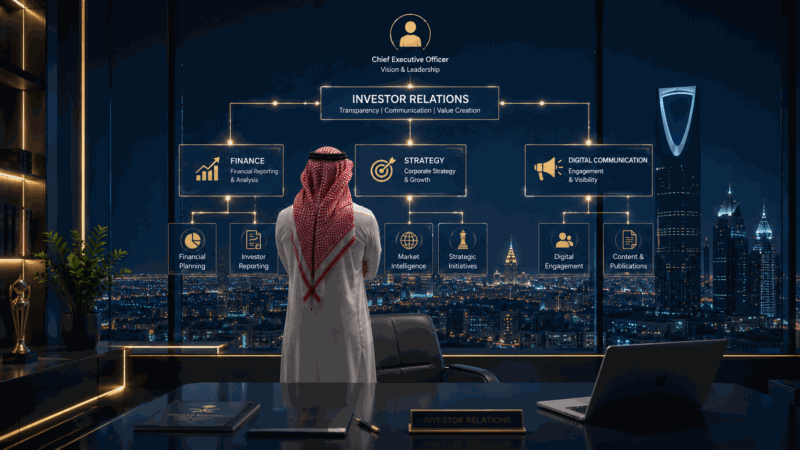
The Investor Relations Function and Organizational Structure Structure, Reporting Lines, Team Size, and Budget
First: Introduction
How the investor relations function is organized within a company determines its ability to perform its strategic role. Where IR sits in the organizational structure, who it reports to, the size of its team, and its budget all affect its effectiveness. A company that places IR under public relations will not produce the same results as one that places it under finance or the office of the CEO. A company with a single person will not produce the same results as one with a specialized team. This article sets out the organizational options, best practice in leading companies, and the considerations attached to each model. The right framework differs by company size, sector, the complexity of the investor base, and the maturity of the IR function. Understanding the options properly helps senior management build an IR function that serves the company’s strategic objectives.
Second: Reporting Models
1. Reporting to the CEO
1.1 Characteristics
- The IRO reports directly to the CEO.
- An executive position.
- Direct access to decisions.
- The model used by some large companies.
1.2 Advantages
- A clear strategic priority.
- Speed in decisions.
- A strong message to the market.
- Cross-departmental flexibility.
1.3 Disadvantages
- A burden on the CEO.
- Possible distance from the financial detail.
- Requires a CEO who understands IR.
1.4 When It Fits
- Large companies.
- Companies at the offering stage.
- Companies under scrutiny.
- During crises.
2. Reporting to the CFO
2.1 Characteristics
- The IRO reports to the CFO.
- The most common arrangement globally.
- Within the finance group.
- The traditional model.
2.2 Advantages
- Proximity to financial information.
- Deep understanding of the figures.
- A natural relationship with the auditor.
- Ease in preparing reports.
2.3 Disadvantages
- A possible narrowly financial focus.
- Potential distance from strategy.
- The CFO may not give IR sufficient priority.
2.4 When It Fits
- Medium and large companies.
- Companies with a financial focus.
- The traditional model, and a successful one.
3. Reporting to the Chief Strategy Officer
3.1 Characteristics
- The IRO reports to the Chief Strategy Officer.
- A more recent model.
- Focused on strategy.
3.2 Advantages
- Strong conveyance of strategy.
- A long-term focus.
- An integrated understanding of the business.
3.3 Disadvantages
- Possible distance from finance.
- Uncommon.
4. Reporting to Communications / PR
4.1 Characteristics
- The IRO sits under the head of communications.
- An older traditional model.
- Less common today.
4.2 Advantages
- Strong communication skills.
- Integration with PR.
4.3 The Major Disadvantages
- Distance from financial information.
- A likely shortfall in financial understanding.
- Regulatory risk (conflating IR and PR).
- Not recommended.
5. The Dual Reporting Model
5.1 Characteristics
- A dual line (CEO + CFO).
- For strategic decisions: the CEO.
- For day-to-day matters: the CFO.
5.2 Advantages
- Combining both benefits.
- High flexibility.
- The model used by large companies.
5.3 Disadvantages
- Potential duplication.
- Requires clarity of roles.
- Coordination is essential.
Third: Team Size
1. The Determining Factors
1.1 Company Size
- A small, growing company: 1-2.
- A mid-sized company: 2-4.
- A large company: 4-8.
- A very large company: 10+.
1.2 Sector
- Complex (oil, banking, technology): a larger team.
- Simple (consumer goods, services): a smaller team.
- Emerging: rapid development.
1.3 Complexity of the Investor Base
- Straightforwardly domestic: a small team.
- Internationally diverse: a larger team.
- With multiple types (ESG, sovereign funds): specialists.
1.4 Company Stage
- Pre-offering: preparation.
- Newly listed: intensive.
- Mature: steady.
- In transition: intensive.
2. The Standard Models
2.1 The Small Team (1-2)
- An IRO plus an assistant.
- For smaller mid-sized companies.
- The essentials.
- Reliance on advisers.
2.2 The Medium Team (3-5)
- An IRO plus 2-3 analysts.
- Plus an events coordinator.
- Plus a website manager.
- Most large companies.
2.3 The Large Team (6+)
- An IRO plus specialized deputies.
- Plus an analysis team (2-3).
- Plus an events team.
- Plus investor base specialists.
- Plus an ESG specialist.
- Very large companies.
3. Roles Within the Team
3.1 Head of IR / IRO
- Strategic leadership.
- The major relationships.
- Communication with senior management.
- Decision-making.
3.2 Analysts
- Preparing materials.
- Peer and sector analysis.
- Market monitoring.
- Preparing answers to questions.
3.3 Events Coordinator
- Conferences.
- Roadshows.
- The investor day.
- Logistics.
3.4 Digital / Website Manager
- The IR page.
- Updates.
- Webinars.
- Social channels.
3.5 Specialists
- An ESG specialist.
- A specialist for a particular base (international, ESG).
- An investor base management analyst.
Fourth: The Budget
1. Budget Components
1.1 Salaries and Compensation
- The largest share.
- For the in-house team.
- Competitive, to attract talent.
1.2 Reports and Materials
- Design.
- Printing.
- Translation.
- Photography.
1.3 Technology
- The IR website.
- Investor CRM systems.
- Webinar platforms.
- Analysis tools.
1.4 Events and Travel
- Roadshows.
- Conferences.
- The investor day.
- Meetings.
1.5 Consultancy
- Specialized advisers.
- Perception studies.
- Targeting.
- Training.
1.6 Subscriptions
- Bloomberg, Reuters.
- FactSet, S&P Capital IQ.
- Nasdaq Boardroom.
- Other platforms.
2. Typical Budget Scale
| Company Size | Indicative Annual Budget |
|---|---|
| Smaller mid-sized | SAR 1-3 million |
| Larger mid-sized | SAR 3-8 million |
| Large | SAR 8-20 million |
| Very large | SAR 20+ million |
3. Return on Investment
3.1 Hard to Measure, but It Matters
- On the share price: a 10-25% premium.
- On the cost of finance: basis points.
- On liquidity: trading volume.
- On the investor base: institutions.
3.2 Over the Long Term
- The benefits compound.
- Over years.
- Exceeding the budget many times over.
- An investment that pays for itself.
Fifth: The Ideal Organizational Position
1. The Principles
1.1 Close to the Information
- Access to finance.
- Access to strategy.
- Access to operations.
- Present in every significant decision.
1.2 Close to Authority
- The CEO.
- The board.
- Rapid decisions.
1.3 Independence
- Not merely an arm of PR.
- An independent voice in management.
- Committed to the disclosure rules.
1.4 Sufficient Resources
- Budget.
- People.
- Technology.
- Not constrained.
2. The Recommendation
2.1 For Large Companies
- An executive position.
- Reporting to the CEO or CFO.
- With coordination with the other.
- A specialized team.
2.2 For Mid-Sized Companies
- Usually under the CFO.
- With periodic reporting to the CEO.
- A core team.
- Integration with communications.
2.3 For Small Companies
- One person or two.
- Under the CFO.
- With external support.
- Focused on the essentials.
Sixth: The Relationship With Other Departments
1. With Finance
1.1 The Connection
- The most natural proximity.
- The figures and the statements.
- Forecasts.
- Issuances.
1.2 How It Works
- Regular meetings.
- Partnership in preparing reports.
- Communication during crises.
- Mutual trust.
2. With Communications / PR
2.1 The Connection
- Consistent messaging.
- Dealing with the media.
- Reputation management.
2.2 The Boundaries
- IR for the financial audience, PR for the general public.
- Respecting the disclosure rules.
- Without regulatory breaches.
- Constant coordination.
3. With Strategy
3.1 The Connection
- Conveying strategy to the market.
- Understanding the direction.
- Market reactions.
3.2 How It Works
- Strategy meetings.
- Participation in planning.
- Market feedback.
4. With Legal
4.1 The Connection
- Essential for IR.
- In every disclosure.
- During crises.
- In M&A.
4.2 How It Works
- Legal review.
- Standing consultation.
- Protocols for speed.
- Joint training.
5. With Internal and External Audit
5.1 The Connection
- The financial statements.
- Disclosures.
- Quality assurance.
5.2 How It Works
- Coordination in preparing reports.
- In announcements.
- On calls.
6. With Operations and Products
6.1 The Connection
- Understanding the business.
- Products and services.
- Operational developments.
6.2 How It Works
- Site visits.
- Periodic meetings.
- Participation in launches.
- Current information.
Seventh: The Relationship Between IR and the Board
1. Why the Relationship Matters
1.1 The Reasons
- The board is responsible for governance.
- IR executes part of that governance.
- Disclosures require approvals.
- Transparency toward shareholders.
1.2 The Roles
- Periodic reports to the board.
- Market reactions.
- Investor expectations.
- Relative performance.
2. The Communication
2.1 Periodic Reports
- Quarterly to the board.
- Quarterly to the audit committee.
- An annual comprehensive report.
2.2 The Content
- Share performance.
- The investor base.
- Coverage and recommendations.
- ESG ratings.
- Activities.
3. Participation in the General Assembly
- Intensive preparation.
- Materials for shareholders.
- Questions and answers.
- Post-assembly meetings.
Eighth: Developing the Function Over Time
1. The Establishment Stage
1.1 The First Year
- Appointing or developing an IRO.
- Building the core team.
- The basic systems.
- The website.
1.2 The Activities
- Mandatory reports.
- Contact with analysts.
- Some meetings.
- The essentials.
2. The Growth Stage
2.1 Years 2-3
- Expanding the team.
- Regular roadshows.
- Quarterly earnings calls.
- Deeper relationships.
2.2 Progressive Distinction
- Report quality.
- Greater transparency.
- ESG.
- International communication.
3. The Maturity Stage
3.1 Year 4 Onward
- A fully specialized team.
- An annual investor day.
- Strong relationships.
- A competitive advantage.
3.2 Advanced Activities
- Regular perception studies.
- Sophisticated targeting.
- Investor activism dialogue.
- Crisis management.
Ninth: Organizational Models at Leading Saudi Companies
1. The General Model for Large Companies
1.1 The Structure
- An executive IRO.
- Reporting to the CFO or CEO.
- A team of 5-15 people.
- A budget in the millions.
1.2 The Activities
- Quarterly earnings calls.
- Global roadshows.
- An annual investor day.
- ESG reports.
- Relationships with 100+ institutions.
2. Companies Across Different Sectors
2.1 Banks
- Specialized teams.
- A focus on central banks.
- Strong ESG.
- Intensive communication.
2.2 Petrochemicals
- A focus on the global sector.
- Relationships with sector analysts.
- ESG and climate.
2.3 Telecommunications
- Diversity of products and services.
- A focus on growth.
- ESG.
2.4 Real Estate
- REITs with particular characteristics.
- Valuations.
- Distributions.
Tenth: Structural Challenges
1. The “Limited Resources” Challenge
1.1 The Problem
- Small companies.
- Limited budgets.
- Difficulty attracting talent.
1.2 The Solutions
- Focusing on priorities.
- Engaging advisers.
- Internal development.
- Partnerships.
2. The “Wrong Reporting Line” Challenge
2.1 The Problem
- IR under a department that is not invested in it.
- Distance from decisions.
- Limited resources.
2.2 The Solutions
- Restructuring.
- Making the case on value.
- Leadership from the top.
3. The “Rapid Growth” Challenge
3.1 The Problem
- The company grows quickly.
- IR does not keep pace.
- Mounting pressure.
3.2 The Solutions
- Planning ahead.
- Gradual expansion.
- Recruitment.
- Temporary support.
Eleventh: Measures of Structural Success
1. Internal Measures
- Disclosure quality.
- Speed of response.
- Regulatory compliance.
- Operational efficiency.
2. External Measures
- Investor feedback.
- Analyst coverage.
- IR awards.
- ESG ratings.
3. Share-Level Measures
- The governance premium.
- Volatility.
- Liquidity.
- The investor base.
Twelfth: Future Directions
1. Growth of the Function in Saudi Arabia
1.1 The Indicators
- More companies investing.
- Specialized Saudi professionals.
- International standards.
- Local and regional awards.
1.2 The Opportunities
- For finance students.
- For accountants.
- For finance professionals.
- For communicators.
2. Emerging Specialisms
2.1 ESG IR
- ESG specialists.
- Engagement with ESG funds.
- Sustainability reports.
2.2 Digital IR
- Digital specialists.
- Interactive platforms.
- Social channels.
2.3 Investor Targeting
- Advanced analysis.
- Investor CRM.
- Intelligent targeting.
Thirteenth: Best Practices
1. At the Level of Design
- Organizational position: close to authority.
- Reporting line: to the CFO or CEO.
- Independence: relative.
- Resources: sufficient.
2. At the Level of the Team
- Capability: specialized.
- Diversity: of backgrounds.
- Development: continuous.
- Retention: of talent.
3. At the Level of Collaboration
- With finance: a strong partnership.
- With PR: constant coordination.
- With legal: careful review.
- With the board: regular communication.
4. At the Level of Development
- Progression: according to maturity.
- Learning: from the leaders.
- Investment: in resources.
- Measurement: and improvement.
Conclusion
Organizing the investor relations function is a strategic decision that determines its ability to fulfil its role. The options are many — reporting to the CEO or the CFO, team size, budget, the relationship with other departments — and each carries its own advantages and disadvantages. Intelligent companies choose the model that suits their size, their sector and their stage of maturity, and evolve that model as they grow. In the Saudi capital market, leading companies apply sophisticated organizational models, with specialized teams, generous budgets, and executive reporting lines. That investment pays for itself through share premiums, a lower cost of finance, and foreign investment. Companies that delay developing their IR structure lose significant opportunities. The best time to invest in a strong IR structure is now — before the need becomes acute — so that the benefits begin compounding early.
Contact Us
References and Sources
- NIRI — IR Organizational Structure Surveys.
- IR Society UK — IR Function Benchmarking.
- CFA Institute — Corporate Reporting Best Practices.
- Deloitte — Investor Relations Trend Reports.
- PwC — IR Function Studies.
- KPMG — IR Organizational Models.
- EY — IR Function Maturity Assessment.
- Annual Reports of Leading Saudi Companies — IR Disclosures.
- Tadawul Conferences — IR Practitioner Insights.
- MENA IR Association — Regional Practices.
FAQ
Where should the investor relations function sit in the organizational structure?
It depends on the size and maturity of the company, but the preferred arrangement is always a direct reporting line into executive management — the CEO or the CFO — to guarantee access to material information and speed of decision-making.
Why is it not advisable to place investor relations under public relations?
Because investor relations requires deep financial understanding and exacting precision in disclosure under securities law, whereas public relations focuses on marketing and general reputation. Combining them risks regulatory exposure and a shortfall in financial expertise.
How is the right team size for investor relations determined?
By the size of the company, the complexity of its investor base (domestic versus international), and its sector. Small teams start with one or two people and grow to include specialisms such as ESG and digital analysis in the largest companies.