
Engaging Remote Members
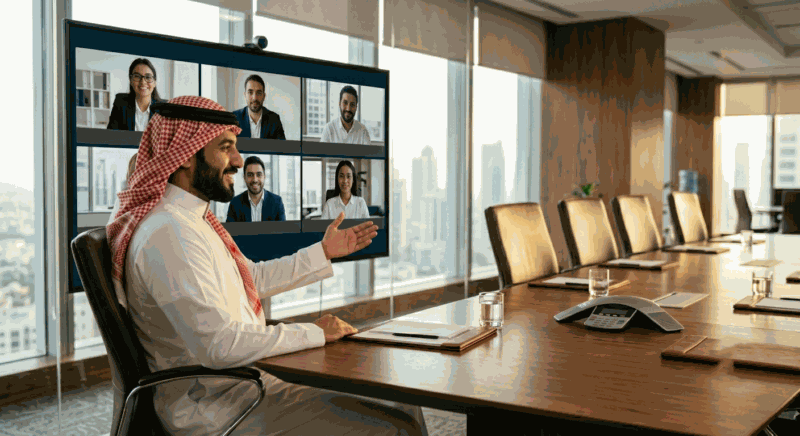
Engaging Remote Members Ensuring Effective Participation, Overcoming Distance Barriers, and Building Communication
First: Introduction
Remote members are a real part of most boards and executive teams today. A board may have members distributed between Riyadh, Jeddah, Dubai, London, and Singapore. This geographical diversity is an advantage (diverse perspective, access to global expertise), but it comes with a great challenge: how do we ensure that remote members are not just present but actually participating? How do we prevent them from becoming second-class citizens in the meeting? Engaging remote members is not just providing a good internet connection. It is a complete philosophy in meeting design, management, and follow-up. Remote members may miss unconscious signals, side conversations, room energy. But they carry great value: diversity of perspective, international experience, the objectivity that comes from distance. This article reviews how to engage remote members effectively, from before the meeting to after, and build a culture that benefits from their geographical diversity.
Second: Why Remote Members?
1. The New Reality
- Regional and global companies.
- Members from international backgrounds.
- Need for specialized expertise across borders.
- Work flexibility.
- Travel cost savings.
2. Added Value
2.1 Perspective Diversity
- Experiences from different markets.
- Diverse cultures.
- International perspective.
- Avoiding narrow regional thinking.
2.2 Objectivity
- Distance creates objectivity.
- Distance from daily dynamics.
- Clearer vision of the big picture.
- Questions the close don’t raise.
2.3 Specialized Expertise
- Recruiting best experts globally.
- Without geographical constraints.
- Rare skills.
- International networks.
3. Realistic Challenges
- Feeling of isolation.
- Difficulty in effective participation.
- Loss of unconscious signals.
- Time zone difference.
- Technical challenges.
- Weak relationship building.
Third: Before the Meeting
1. Prior Communication
1.1 The Invitation
Professional invitation for remote members:
- Considered timing (time zones).
- Clear contact information.
- Technical requirements.
- Detailed agenda.
- Meeting objectives.
1.2 Document Distribution
- In good time (no delay).
- Translation if needed.
- Additional context for distant members.
- Secure and easy platform.
1.3 Context
Remote members may not know the background:
- Summary of previous discussions.
- Introduction of new attendees.
- Time frame of events.
- Local regional information.
2. Technical Testing
2.1 Days Before the Meeting
- Platform testing.
- Camera and microphone testing.
- Connection quality testing.
- Addressing problems.
2.2 One Hour Before the Meeting
- Quick test.
- Verify connection.
- Document readiness.
- Early joining.
3. Prior Personal Communication
3.1 Individual Contact
For new remote members:
- Call before the meeting.
- Personal welcome.
- Explain the context.
- Answer questions.
3.2 Relationship Building
- First meeting in person if possible.
- Even just once.
- Build foundation of the relationship.
- Periodic communication.
4. Time Zone Preparation
4.1 Time Variation
If time differences are large:
- Rotate meeting times.
- Some suit Asia, some Europe.
- Distribute time “sacrifice”.
- No permanent sacrifice.
4.2 Respect for Difficult Times
- If a member will attend at a difficult time, appreciation.
- Short meetings.
- Arrange items to suit their time.
- Recording if possible for review.
Fourth: Comprehensive Meeting Design
1. “Remote-First” Principle
Design the meeting as if everyone is remote:
- This ensures remote is not an afterthought.
- All tools work for remote.
- All information available for remote.
- All moments include remote.
2. Professional Technology
2.1 For the Room
- 360-degree camera (captures everyone).
- Good microphones (capture all voices).
- Large screen for remote attendees.
- Good room speakers.
2.2 For Remote Attendees
- Good personal equipment.
- Quiet and lit environment.
- Reliable internet connection.
3. Seating Arrangement with Remote Perspective
3.1 Screen Position
- Large screen in middle of room.
- Visible to all attendees.
- Feels like remote members are part of seating.
3.2 Camera Position
- In position that captures all attendees.
- Not close to one person.
- At eye level.
Fifth: Managing the Meeting
1. Facilitator’s Role for Remote Members
1.1 Continuous Monitoring
The facilitator constantly attends to those remote:
- Looks at the screen regularly.
- Verifies participation.
- Invites intervention by name.
- Ensures equal engagement.
1.2 Cultural Translation
For members from different backgrounds:
- Explain local terms.
- Clarify cultural context.
- Avoid unknown abbreviations.
- Cultural sensitivity.
2. Distributing the Floor
2.1 Calling by Name
Remote members find it hard to “cut in”:
- The facilitator invites by name.
- “Ms. Sarah, what’s your view?”
- “Dr. Khalid in London, your experience benefits us here.”
- Deliberate inclusion.
2.2 Organized Rounds
Rounds where everyone participates:
- In specific order.
- Includes in-person and remote.
- No one is left out.
- Even for brief intervention.
2.3 Listening for Signals
- When “raised hand” in platform.
- When sign appeared on face.
- When wrote in chat.
- Immediate response.
3. Multi-Channel Communication
3.1 Audio and Video
- Primary channel.
- Direct interaction.
- Unconscious signals (limited).
3.2 Chat
- For side questions.
- For additional information.
- For links.
- For clarifications.
3.3 Raise Hand
- To request to speak.
- Without interruption.
- Facilitator calls on.
3.4 Reactions
- For quick expression.
- Agreement, approval.
- Alternatives to intervention.
3.5 Polls
- To get everyone’s opinions.
- Immediate results.
- Useful in decisions.
4. Handling Technical Issues
4.1 Immediate Procedures
- Ask “Can you hear me?” periodically.
- Verify audio quality.
- Response to problems.
4.2 Backup Plans
- Reconnect if connection drops.
- Alternative phone connection.
- Follow-up via email.
- Technical support available.
Sixth: Engaging Members Effectively
1. Leveraging Their Expertise
1.1 Appropriate Topics
- Asking about their field of expertise.
- “Ms. Layla, your experience in European markets benefits us here.”
- Making their expertise central.
- Respect for their specialized knowledge.
1.2 Different Perspective
- Asking about international viewpoint.
- “How is this handled in market X?”
- Leveraging their diversity.
- Learning from their experiences.
2. Creating Participation Opportunities
2.1 Dedicated Items
Items led by remote members:
- Presentation from their expertise.
- Report on specific region.
- Specialized market analysis.
- Sense of contribution.
2.2 Sub-Committees
- Chairing a sub-committee.
- Effective participation.
- Specific responsibility.
- Sense of importance.
3. Respect and Inclusion
3.1 Respecting Their Contributions
- Listening with same attention.
- Not minimizing their opinion.
- Recognition of contribution value.
- Building on what they said.
3.2 Not Marginalizing
- No decisions made “in the room” then communicated.
- No side discussions they don’t hear.
- No information withheld from them.
- Real inclusion.
Seventh: Overcoming Isolation
1. Feeling of Belonging
1.1 Warm Welcome
- Personal welcome in every meeting.
- Mention their name.
- Interest in their wellbeing.
- Feeling of being part of the team.
1.2 Inclusion in Culture
- Their knowledge of company culture.
- Stories, jokes, events.
- “Shared memories”.
- Building belonging.
2. Communication Outside Meetings
2.1 Periodic Calls
-
Calls between meetings.
-
Briefing on their opinions.
-
Building relationship.
2.2 Email Messages
- Regular updates.
- Personal and not just group emails.
- Interest in their opinion.
2.3 Virtual Events
- Virtual social meetings.
- Celebrations of achievements.
- Briefing on personal life (with limits).
- Building human relationships.
3. In-Person Visits
3.1 Importance of In-Person Meeting
Even rarely:
- Face-to-face meeting.
- Building foundation of the relationship.
- Shared memories.
- Deeper trust.
3.2 Appropriate Frequency
- At least annually.
- At strategic meetings.
- At occasions.
- Supported by the company.
Eighth: Dealing with Cultural Differences
1. Communication Patterns
1.1 Direct vs Indirect
Some cultures are more direct:
- Americans and Europeans: direct.
- Asians and Middle Easterners: sometimes indirect.
- Mutual understanding.
1.2 Relationships vs Tasks
-
Some cultures focus on relationship.
-
Others on task.
-
Respect for difference.
2. Language
2.1 Work Language
- Usually English in international meetings.
- Respect for everyone’s level.
- Avoid difficult expressions.
2.2 Translation When Needed
- For sensitive meetings.
- Professional simultaneous translation.
- Justified costs.
- Respect for those not proficient in language.
3. Cultural Expectations
- Culture of “apparent agreement”.
- Politeness hides difference.
- Exploring real opinions.
- Individual channels for expression.
Ninth: Dealing with Problems
1. Continuous Weak Participation
1.1 The Reasons
Why a member is passive:
- Feeling of non-inclusion.
- Continuous technical problems.
- Cultural difference.
- Linguistic difficulty.
- Lack of clarity about their role.
1.2 Solutions
- Private side conversation.
- Know the barriers.
- Address them.
- Personal support.
2. Isolation
2.1 The Signs
- Decline in participation.
- Camera always off.
- Short responses.
- Repeated absence.
2.2 Handling
- Early intervention.
- Personal communication.
- Understand the reasons.
- Build bridges.
3. Conflicts
3.1 Difficulty in Remote Resolution
- Difficulty reading emotions.
- Weak communication.
- Accumulation of misunderstanding.
3.2 The Procedures
- Early intervention.
- Individual dialogue.
- In-person meeting if possible.
- Neutral mediator.
4. Technical Disconnection
In critical moments:
-
Temporary pause.
-
Full review when returning.
Tenth: Post-Meeting Follow-up
1. Confirming Understanding
1.1 Direct Follow-up
After the meeting:
- Summary of decisions.
- Confirm understanding.
- Answer late questions.
- Individual communication.
1.2 The Minutes
- Comprehensive and precise minutes.
- Arrive on time.
- Reflect everyone’s contributions.
- Don’t marginalize remote members.
2. Task Follow-up
-
Clarify tasks for each member.
-
Clear expectations.
-
Necessary support.
3. Feedback
3.1 From Remote Members
Ask them regularly:
- “Did you feel like a real participant?”
- “What can be improved?”
- “Are there obstacles?”
- Serious listening.
3.2 Continuous Improvement
- Apply improvements.
- Follow up on impact.
- Continuous development.
Eleventh: Special Cases
1. The Sole Remote Member
1.1 The Challenge
Only one member remote, others in the room:
- Strong feeling of isolation.
- Frequent forgetting.
- Difficulty in participation.
1.2 The Solutions
- Facilitator bears additional responsibility.
- “Everyone on screen” model — even in-person from their screens.
- Double supervision.
- Continuous inquiry.
2. Members from Multiple Continents
2.1 The Challenge
- Difficult time zones.
- Divergent cultural backgrounds.
- Different native languages.
2.2 The Solutions
- Diversify meeting times.
- Respect for everyone.
- Cultural preparation.
- International facilitator.
3. Critical Meetings
3.1 Major Decisions
Decisions with great impact:
- Ensure everyone’s participation.
- Equal voting.
- Precise documentation.
- Respect for minority.
3.2 Desired In-Person Attendance
- For very large decisions, in-person may be preferred.
- Exception, not rule.
- Prior arrangement.
- Compensation if not possible.
Twelfth: Building “All As One” Culture
1. The Values
1.1 Real Equality
- No difference between in-person and remote.
- Every member has the same value.
- Collective commitment to this value.
1.2 Inclusion
- Every member invited to contribute.
- Every opinion heard.
- Every experience appreciated.
2. Daily Practices
2.1 Continuous Communication
- Not only in formal meetings.
- Short calls.
- Regular messages.
- Building relationships.
2.2 Respect in Every Detail
- Attention to their needs.
- Adaptation to them.
- Appreciation of their contributions.
3. Role Model from the Top
- The chair respects remote.
- Invites remote members by name.
- Listens to them.
- Builds the culture through practice.
Thirteenth: Measuring Success
1. Engagement Indicators
| Indicator | How It’s Measured | Target |
|---|---|---|
| Remote contribution rate | % interventions / total | Balanced with their ratio |
| Attendance rate | Attendance ratio to year’s meetings | 85%+ |
| Member satisfaction | Periodic surveys | High positive |
| Idea diversity | Measure perspective diversity | High |
| Decision quality | Decision results later | Good |
2. Periodic Feedback
- Annual surveys.
- Individual interviews.
- Improvement suggestions.
- Apply improvements.
3. Practice Review
- Assess what worked and what didn’t.
- Update the framework.
- Continuous development.
Fourteenth: Comprehensive Checklist
1. Before the Meeting
- Is the invitation comprehensive for all information?
- Are documents available on time?
- Has the technology been tested?
- Is the timing considered for time zones?
- Has personal communication been done?
2. At the Start of the Meeting
- Has personal welcome been done?
- Has connection quality been tested?
- Can everyone see and hear?
- Are the rules clear?
3. During the Meeting
- Are remote members being tracked?
- Are they invited to intervene?
- Are multiple channels being used?
- Are technical problems addressed quickly?
4. After the Meeting
- Has feedback been taken?
- Do the minutes reflect their contributions?
- Is follow-up continuous?
- Is the relationship being built?
Fifteenth: Best Practices
1. At the Philosophy Level
- “Remote-first”: in every design decision.
- Real equality: no difference between in-person and remote.
- Respect: for time, culture, expertise.
- Adaptation: to diverse needs.
2. At the Technology Level
- Sufficient investment: in technology.
- Constant testing: before every meeting.
- Technical support:
- Continuous updating: of tools.
3. At the Management Level
- Specialized facilitator: in managing mixed.
- Considered schedules: for time zones.
- Dedicated items: for remote expertise.
- Personal follow-up: for each member.
4. At the Culture Level
- Role model from the top: respect for remote.
- Mutual trust: foundation of the relationship.
- Continuous communication: outside meetings.
- Building belonging: by all means.
Conclusion
Engaging remote members is both art and science. Science because it depends on techniques and tools that can be learned, and art because it requires human sensitivity in understanding diverse needs. The leader who masters engaging their remote members unleashes their full value, builds a cohesive team across borders, and brings their company to the farthest horizons. In a world where globalization accelerates and business becomes complex, the geographical diversity of teams becomes a crucial competitive advantage. Leading Saudi companies, especially those expanding regionally and internationally, face this challenge daily. Investing in developing capabilities to engage remote members — technically, organizationally, and culturally — is an investment in the company’s future. Every remote member who feels like a real participant is an addition to value, and every member who feels marginalized is a lost opportunity. Choosing the first philosophy creates truly global companies, led by a diverse team, united by values and goals, even if continents separate them. This is the model of the 21st-century company.
References and Sources
- Harvard Business Review — Leading Distributed Teams.
- MIT Sloan Management Review — Remote Member Engagement.
- McKinsey Quarterly — Inclusive Hybrid Leadership.
- Erin Meyer — The Culture Map.
- Tsedal Neeley — Remote Work Revolution.
- Microsoft Work Trend Index — Hybrid Engagement.
- Spencer Stuart — International Board Practices.
- ICSA — Cross-Border Board Effectiveness.
- Stanford VHIL — Virtual Engagement Research.
- Studies on Global Board Practices in Saudi Multinationals.
FAQ
What strategic value do remote board members bring and what are the key principles for designing inclusive meetings?
Remote board members contribute three forms of strategic value that in-person-only membership cannot replicate. Perspective diversity from experiences across different markets, cultures, and regulatory environments prevents the narrow regional thinking that can afflict geographically concentrated boards. Objectivity — physical distance from the company's daily dynamics produces clearer vision of the big picture and surfaces questions that those embedded in the organization's routines rarely think to raise. Specialized expertise accessible regardless of geography, with international professional networks that expand the board's reach. The "remote-first" design principle operationalizes equal treatment by designing the meeting as though everyone attends remotely, then adding physical presence on top — rather than the reverse. This guarantees that everything remote members need is considered before anyone enters the room. Professional technology for the physical space requires a 360-degree camera capturing all attendees, quality microphones capturing all voices, a large central screen displaying remote participants in a position visible to everyone physically present, and good room speakers. The screen's placement matters — positioned at the center of the room so remote faces are at the table rather than in a corner, remote members feel genuinely part of the group rather than observers. The most damaging common mistake is the "meeting before the meeting" where physical attendees arrive early, discuss, reach informal consensus, then remote members join a meeting that has already been decided — the rule is no discussions before the moment everyone enters.
How should facilitators manage participation and how can remote members' expertise be leveraged?
The facilitator carries special responsibility in mixed meetings because natural dynamics systematically favor physical attendees who are faster to contribute and easier for others to engage with. Four facilitation practices counter this. Calling by name addresses the core problem that remote members cannot easily cut into discussion — the facilitator deliberately invites them: "Dr. Khalid in London, your experience is relevant here" or "Ms. Sarah, what's your view?" Organized rounds ensure every participant speaks by moving through the group in sequence, including both in-person and remote attendees without exception. Signal monitoring requires the facilitator to watch for raised hands in the platform, facial expressions signaling a desire to speak, and chat contributions, responding immediately. Multi-channel utilization through audio and video as the primary channel, chat for parallel questions and clarifications, reactions for quick sentiment expression without requiring floor time, and polls to gather everyone's views simultaneously with instant results. Leveraging remote expertise goes beyond passive inclusion — dedicating specific agenda items where a remote member presents from their specialized knowledge, reports on a relevant market, or leads a sub-committee creates genuine ownership and contribution. Asking explicitly about their international perspective — "how is this handled in market X?" — uses their distance as an asset rather than managing it as a liability.
How is the feeling of isolation overcome and what metrics measure remote member engagement success?
Isolation develops gradually and the warning signs are measurable: declining participation frequency, camera consistently off, increasingly brief responses, and growing absence rates. Three parallel streams counter isolation. Warm and personalized meeting openings that mention remote members by name, show genuine interest in their wellbeing, and signal through consistent behavior that they are full team members. Communication outside meetings through periodic individual calls between meetings, personal email updates rather than only group communications, and virtual social events celebrating team achievements build the relationship beyond transactional meeting participation. Periodic in-person visits — even just once annually at strategic meetings — establish a relational foundation of trust and shared memory that sustains months of remote collaboration. For new remote members, a personal call before their first meeting to explain context, introduce key dynamics, and answer questions significantly accelerates integration. Time zone burden should rotate deliberately so no member always attends at an inconvenient hour — the fair leader distributes the sacrifice. Five indicators measure engagement success: the remote contribution rate as a percentage of total interventions benchmarked against their proportion of total membership, attendance rate targeting 85% or above, satisfaction from periodic surveys, idea diversity measured by the range of perspectives surfacing in decisions, and decision quality assessed by outcomes over time. Annual practice reviews assess what design and facilitation choices are working and update the framework accordingly.